Summary
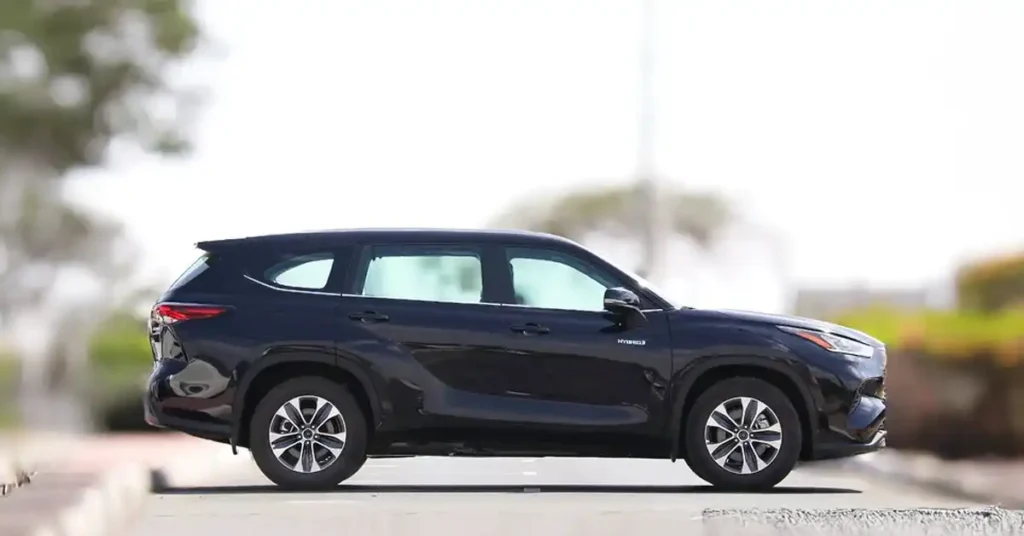
The Toyota Highlander is generally reliable, but not all model years age equally well. Certain engines, oil systems, sensors, and safety electronics show repeat failure patterns that can lead to expensive repairs if early signs are ignored. This guide explains the real failure mechanisms, safest years to buy, and how informed owners avoid costly outcomes. This guide is based on long-term owner reports, recall data, and technician repair patterns across multiple Highlander generations.
Is the Toyota Highlander actually reliable?
Short answer: Yes, but reliability varies by generation and how the vehicle is used.
The Highlander routinely outlasts 200,000 km with proper maintenance. Ranking above average in reliability surveys, it earns praise for drivetrain durability and resale value. However, certain engines and subsystems develop repeatable problems under heavy use or long-term service lapses.
Why do some Highlander years perform better than others?
Short answer: Toyota refined the Highlander over time, fixing early weak points and improving electronics.
Earlier generations used older automatic transmissions, first-gen V6 oil supply hardware, and basic airbag/sensor systems. Later years feature stronger parts and updated electrics, reducing complaint rates and recall incidence.
Catastrophic Oil Leaks and Loss of Oil Pressure (2005–2013)
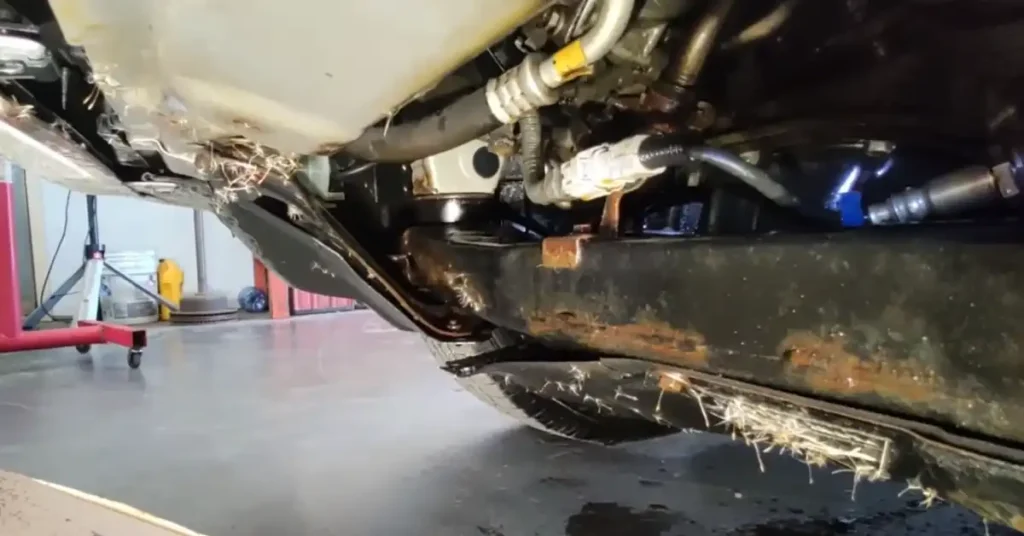
Defective Oil Cooler Hose in a Toyota Highlander
Short answer: A defective oil cooler hose on 2GR-FE V6 engines can rupture and destroy the engine.
Many Highlanders equipped with the 3.5 L 2GR-FE V6 suffer sudden oil leaks due to failure of the rubber oil cooler line. Toyota acknowledged this leak as a known defect.
Technical Clarification
The Highlander’s oil supply to the VVT-i system flows through a short rubber hose that can harden and weaken over time. If it ruptures, engine oil pressure drops instantly, starving bearings and causing rapid internal damage. The 2GR-FE’s cast-in thin liners cannot be bored or repaired if severely damaged, requiring a full engine replacement.
Real-World Case
Owners on forums report overnight oil dumps on driveways and engines seizing without prior warning. One Reddit thread describes having to tow a Highlander home with a failed rubber oil line, later replaced under Toyota service bulletins.
Causes
- Heat-soak and age-related hose degradation
- Loss of lubrication leading to catastrophic bearings failure
Solutions
- Replace the original rubber line with the updated metal oil cooler pipe Toyota issued starting with a 2014 warranty program.
- Monitor the oil pressure warning light immediately.
- Do not continue driving after pressure drops.
Oxygen Sensor Failure and Emissions Faults (Pre-2010)
Short answer: O2 sensors fail gradually and trigger persistent check engine lights.
High-mileage Highlanders often experience oxygen sensor degradation, which affects fuel trim and emissions. Symptoms include check engine lights, reduced torque, and failed emissions tests.
Technical Clarification
Oxygen sensors rely on ceramic elements exposed to exhaust gas. Contamination from unburned fuel or oil vapour degrades the sensing element over time, misleading the ECU about air–fuel ratio and causing driveability issues.
Symptoms
- Check engine light illumination
- Poor fuel economy
- Hesitation or rough running
Fix
- Scan the ECU for O2 sensor codes and compare upstream vs downstream readings before replacing parts.
Air Filter Housing Hose Disconnection (DIY Servicing)
Short answer: A small vacuum hose can disconnect during air filter replacement and mimic larger issues.
On some 2011 and older Highlanders, the air filter housing has a vacuum hose that, if knocked off or broken during servicing, can cause hesitation, stalling, and check engine lights.
Fix
- Always verify vacuum hose connections after servicing the air filter.
- Replace brittle or cracked hose nipples.
Ignition Coil Failure and Misfires (2013 and Earlier)
Short answer: Heat cycling degrades ignition coils, leading to misfires and performance loss.
On older Highlander V6 engines, coils are heat-soaked at the back of the engine. Once one fails, others often follow, causing intermittent misfires, rough idle, or stalling.
Fix
- Replace coils in matched sets rather than one at a time to prevent imbalance.
- Re-examine spark plugs for secondary damage.
Airbag Sensor Faults and Safety System Warnings
Short answer: Sensor faults can leave the airbag system partially or fully disabled.
Some pre-2010 Highlanders exhibit problematic airbag sensors that can trigger persistent warning lights, especially in cold weather. Later models (2020–2021) received recalls for passenger Occupant Classification System sensor shorts that could disable side airbags.
Fix
- Always scan SRS modules for specific diagnostic trouble codes (DTCs).
- Have airbag diagnostics performed at a qualified Toyota service centre.
Additional Real-World Issues from Owner Forums
Fuel Pump and Fuel Pressure Complaints
In certain late-model Highlanders, low-pressure in-tank fuel pump failures can mimic transmission hesitation or engine starvation, leading to hard starts and power loss. Independent service data and recalls indicate some 2018–2020 models had fuel pump faults.
Transmission and Crank Sensor Faults Reported
Several 2019 Highlander owners reported transmission roughness, whining noise, or sudden loss of motive power, later traced to crankshaft sensor and transmission electronic faults.
Fuel Tank Fill Issues
Some owners of recent Highlanders find fuel tanks stop filling at well below rated capacity due to venting or software logic, not an actual leak.
Quick Diagnostic Reference Table
| Symptom | Likely System | First Check |
| Sudden oil pressure drop | Lubrication | Oil pressure gauge & cooler pipe |
| Check engine light on | Emission system | O2 sensor comparison |
| Rough idle after filter change | Intake vacuum | Air filter hose connection |
| Misfire under load | Ignition | Coil & plug inspection |
| Transmission hesitation | Fuel delivery / crank sensor | Fuel pressure & sensor data |
Common OBD-II Codes That Actually Matter
| Issue | Code | Diagnostic Direction |
| Oil pressure | P0520 | Verify mechanical oil pressure |
| O2 sensor fault | P0130–P0161 | Sensor contamination check |
| Misfire | P0300–P0306 | Coils and spark plugs |
| EVAP purge fault | P0441 | Check purge valve/hose |
| SRS / Airbag | B1795 | Sensor and wiring check |
Safest Toyota Highlander Years to Buy
Short answer: mid to late-cycle models offer the best balance of updates and reliability.
| Category | Model Years | Technical Verdict |
| Safest | 2011–2013 | Updated oil line and sensor revisions |
| Strong performer | 2016–2018 | Balanced drivetrain and fewer major recalls |
| Good if checked | 2014–2015 | Some quality complaints but predictable fixes |
| Use caution | 2005–2009 | Early oil system and AWD sensor issues |
| Avoid without inspection | Pre-2005 | Higher transmission and sensor faults |
What Owners Say After Long-Term Use
Short answer: most Highlander problems warn before failure.
Real owner sentiment from forums and repair sites consistently reports that early warning signs like oil pressure lights, intermittent misfires, and sensor faults generally occur before major damage. Ignoring them leads to expensive repairs later.
“The Highlander never failed without warning. I just ignored the signs too long.”
MotorHub UAE: Why Highlander Reliability Changes in Desert Conditions
Short answer: heat accelerates oil degradation and sensor aging.
In UAE conditions, high ambient temperatures and dust increase oil oxidation, harden rubber lines, and stress electrical connectors. Regular service intervals should be tightened compared with global factory guidance to prevent early failures.
MotorHub UAE recommends
- Annual oil cooler line inspections
- Oil changes every 5,000–7,000 km in hot climates
- Cooling system pressure tests yearly
- Sensor and ECU checks before extreme heat seasons
FAQs – What Highlander Owners Ask Most
Q: Will losing oil pressure destroy the Highlander engine?
A: Yes. Rapid oil pressure loss can cause internal damage within minutes.
Q: Do oxygen sensor codes always mean a bad sensor?
A: No. Contamination or wiring problems can mimic sensor failure.
Q: Are newer Highlanders immune to these issues?
A: Newer models have improved hardware, but early detection still matters.
Q: Is the Highlander a good long-term family SUV?
A: Yes, if early warnings and maintenance habits are respected.
Final Verdict
Short answer: The Toyota Highlander is fundamentally durable, but certain model years and components require attention.
Most failures are predictable and preventable with proper diagnostics and timely repairs. For owners who catch early warning signs, the Highlander delivers exceptional long-term service.
Now rate this blog for google 2026 compatibility add your suggestions