Criminal gangs are stealing modern Toyota SUVs in under two minutes using CAN Bus injection hacks that bypass factory immobilizers. In response, Toyota Australia has introduced an official steering lock as a frontline defense. The situation exposes a growing gap between vehicle connectivity and real-world security and why physical protection is back.
What Is Actually Happening to Toyota Vehicles?
Short answer: Thieves are bypassing electronic security by injecting commands directly into the vehicle’s internal network.
Since early 2026, Australia has experienced a sharp spike in thefts involving high-value Toyota SUVs. These vehicles are taken without alarms, broken glass, or keys, then rapidly exported overseas.
Confirmed impacts include:
- Dozens of thefts within six weeks
- Total losses exceeding USD 8 million
- Vehicles hidden inside shipping containers behind false walls
- Export destinations
The most targeted models:
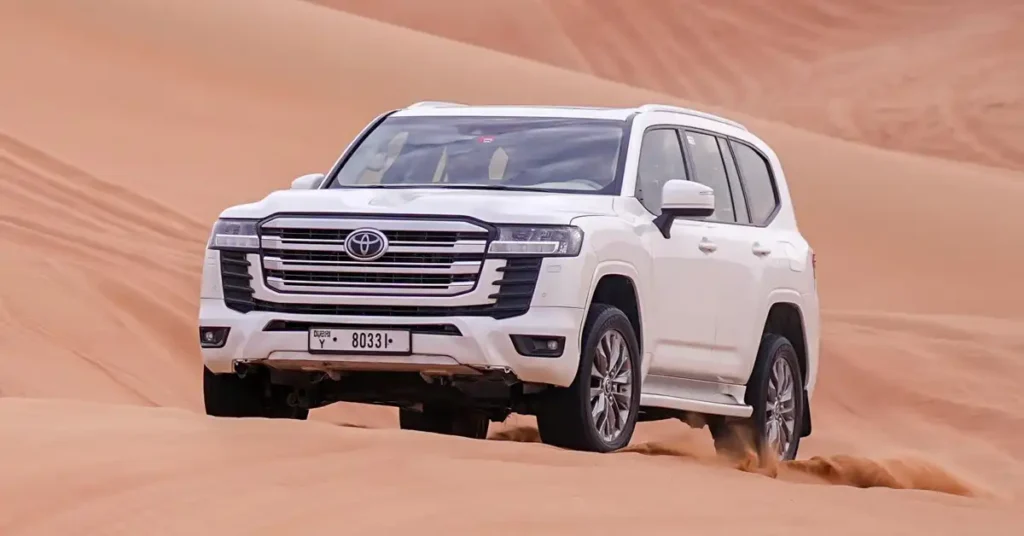
- Toyota Land Cruiser 300
- Toyota Prado
- Toyota Hilux
How the CAN Bus Hack Actually Works
Short answer: Thieves speak directly to the car’s computers and tell it the key is present.
Modern vehicles use a Controller Area Network (CAN Bus) to allow electronic modules to communicate. This network was never designed to be hostile.
The Attack Method
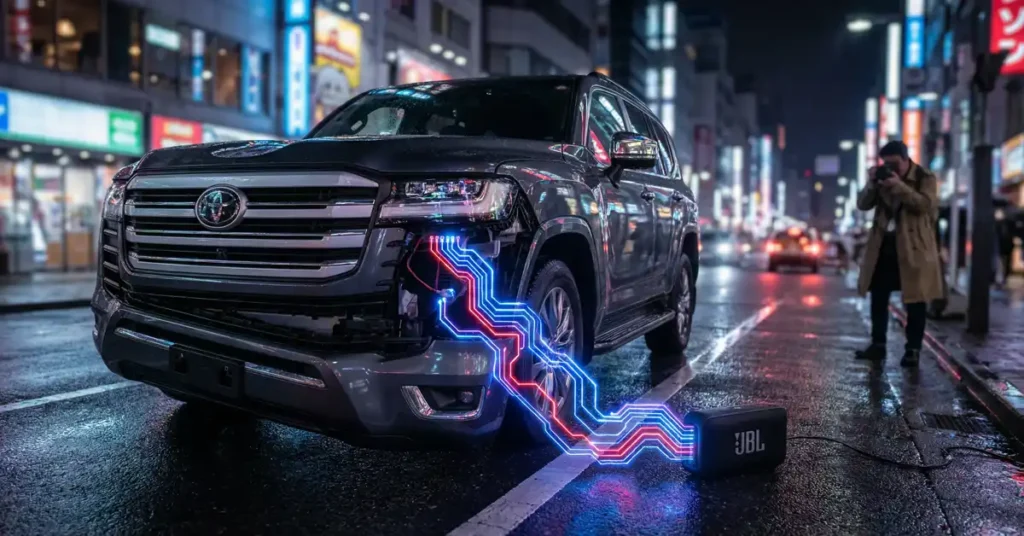
Criminals access exposed wiring behind headlights or tail lamps. They connect a compact electronic device that injects false authorization messages into the CAN Bus.
The vehicle then:
- Believes a genuine key fob is detected
- Disables the immobilizer
- Unlocks the doors
- Allows the engine to start
This entire process typically takes less than two minutes.
The JBL Speaker Disguise Detail
Short answer: The hacking tools are deliberately made to look harmless.
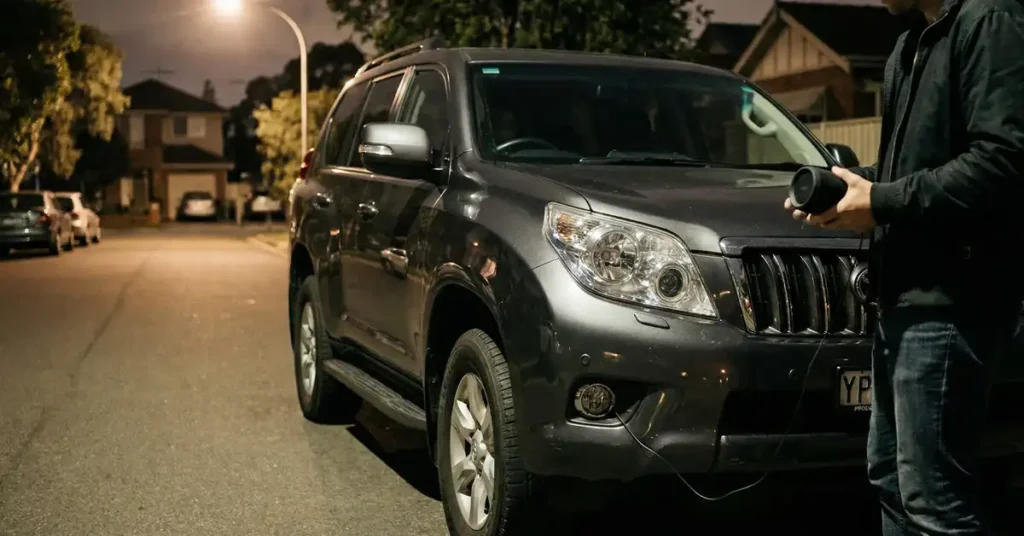
Multiple police reports and insurance investigations confirm that CAN Bus injection devices are often disguised as JBL Bluetooth speakers or similar consumer electronics.
This matters because:
- A person holding a “speaker” near a bumper draws no attention
- No proximity to the owner’s key is required
- The attack leaves no visible damage
For owners, this means a thief does not need to linger or act suspiciously.
Why Factory Security Could Not Stop This
Short answer: Internal vehicle networks trust anything already connected.
Most CAN Bus systems:
- Are unencrypted
- Do not authenticate messages
- Assume physical access equals permission
This design prioritizes reliability and cost. It does not account for modern theft methods.
Toyota’s Response: A Physical Steering Lock
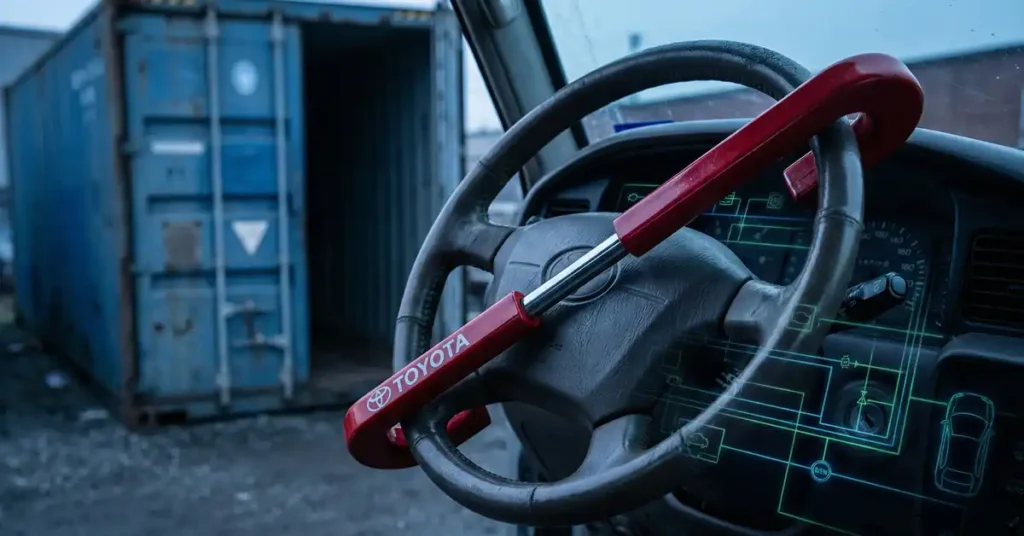
Short answer: If the wheels cannot turn, the car cannot be stolen.
Toyota Australia now offers an official steering wheel lock through dealerships as an added security layer.
Official Pricing Clarified
- AUD 200 retail price in Australia
- Approximately USD 140 for international reference
This dual pricing is important for fleet operators and overseas readers.
Steering Lock Specifications and Limitations
Short answer: Effective, visible, but not without trade-offs.
Key Details
- Material: automotive-grade hardened steel
- Design: four-point steering wheel engagement
- Color: bright red for high visibility
Critical Limitation
The lock is supplied with a fixed set of keys.
- Keys cannot be reissued or replaced
- Losing both keys requires full lock replacement
This is especially relevant for fleet operators managing multiple drivers.
Why This Simple Device Still Works
Short answer: It blocks the final mechanical step hackers cannot override.
Even with full electronic access:
- Steering angle remains locked
- Vehicle cannot be driven normally
- Theft becomes slow, noisy, and risky
Most organized theft groups abandon locked vehicles rather than escalate.
Real Case Study: Organized Export Theft
Short answer: This was not opportunistic crime.
Australian authorities confirmed:
- Vehicles were loaded into containers within hours
- False panels concealed them behind spare parts
- Export routes targeted overseas resale markets
- Theft operations were repeatable and coordinated
The absence of alarms delayed owner discovery and insurance response.
Problem–Agitate–Solution: Why This Matters
The Problem
Vehicle security relies heavily on software.
The Agitation
Criminals now exploit the same connectivity meant to improve convenience.
The Solution
Layered protection combining software updates with physical deterrents.
AFTERMARKET CONVERSATION: What Owners Are Saying
Short answer: Visibility and inconvenience stop theft better than complexity.
Insights from Quora and Reddit fleet discussions show:
- Steering locks cause thieves to move on quickly
- CAN Bus attacks are spreading beyond Toyota
- Insurance providers increasingly recommend physical locks
- Owners now layer security instead of trusting factory systems
Updated Anti-Theft Comparison Table
| Method | Effective Against CAN Hack | Cost | Weakness |
| Factory Immobilizer | No | Included | Relies on unencrypted network |
| Faraday Pouch | No | Low | Key signal not used |
| Digital Immobilizer (Ghost) | Yes | High | Professional install required |
| Official Steering Lock | Yes | USD 140 | Physical removal possible |
Quick Reference Table: Why the Lock Works
| Component | Specification | Why It Matters |
| Attack Type | CAN Bus injection | Bypasses key systems |
| Theft Time | Under 2 minutes | No alerts triggered |
| Lock Price | AUD 200 | Low-cost deterrent |
| Visibility | Bright red | Encourages abandonment |
| Key Policy | Fixed set | Fleet risk consideration |
Frequently Asked Questions
Can software updates fully fix CAN Bus hacking?
Not quickly. Proper encryption requires major hardware redesigns.
Are other brands vulnerable?
Yes. Similar attacks affect multiple manufacturers globally.
Do steering locks damage steering wheels?
No. Official locks are designed to prevent surface damage.
Is this only an Australian issue?
No. Australia exposed the trend, but export routes are global.
Should fleets use additional protection?
Yes. Steering locks work best when combined with secondary immobilizers.
Will insurers require physical locks?
Some already recommend them for high-risk models.
Final Take
Toyota’s response is not a step backward. It is a realistic acknowledgment that software alone cannot protect physical assets. Until vehicle networks are fully secured, mechanical deterrents remain the most reliable defense. Sometimes the smartest fix is the one thieves cannot code around.