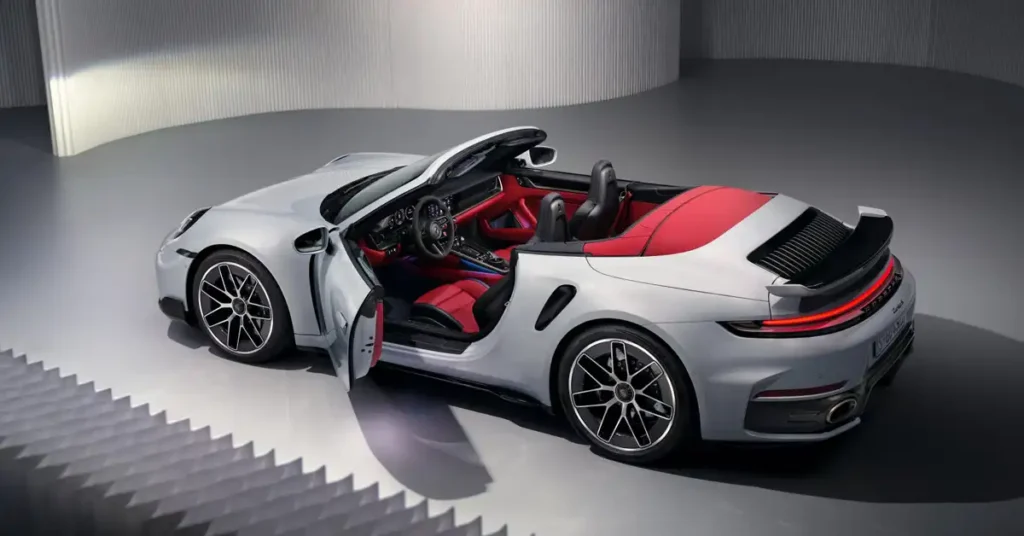
(Image Source: News room Porsche)
There’s a certain tension in the air every time Porsche unveils a new flagship 911. It’s not hype they don’t really do hype but the global performance car world knows a reset is coming. Something small but critical in the hierarchy will shift. And that’s exactly what happens with the 2026 Porsche 911 Turbo S, a car that looks familiar but delivers a very different kind of speed.
This is the first Turbo S to use Porsche’s new T Hybrid system, a motorsport-inspired setup with twin electric turbos and an integrated electric motor built directly into the PDK transmission. The result? A deeply shocking 701 horsepower, effortless power delivery, and acceleration so clean and seamless it feels like your brain is buffering. This isn’t just another update. This is Porsche quietly telling the supercar world: catch us if you can.
Why the 2026 911 Turbo S Matters
The Turbo nameplate has always been the grown-up end of the 911 spectrum the supercar that works every day, the quiet monster that demolishes weather, distance, and physics with the same calm expression. But hybridisation changes expectations. It isn’t just about making more power; it’s about deciding how the future of the 911 feels, and whether electricity enhances or dilutes that magic.
A few reasons this generation is important:
- It sits at the absolute peak of the 911 range
- It introduces hybrid tech engineered for performance, not economy
- It reshapes Porsche’s long-term 911 strategy
- It shows what the brand thinks “fast” will mean for the next decade
The 2026 Turbo S is both a milestone and a message: the era of electric assistance is here, and there’s no turning back.
The Most Powerful 911 Ever Built
(Image Source: News room Porsche)
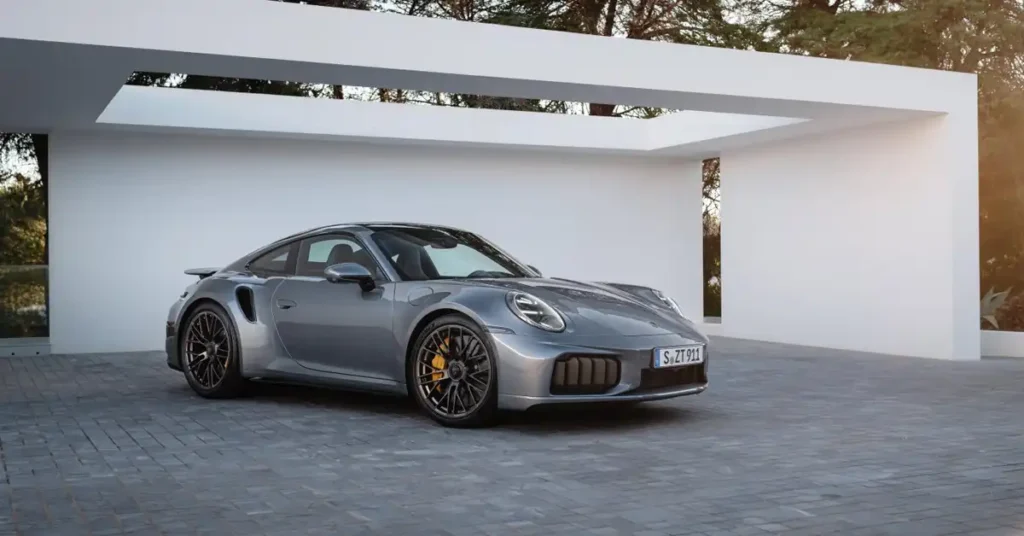
Porsche didn’t just make the Turbo S faster. They rewired the way it delivers power.
Under the rear decklid sits a heavily reworked 3.6-litre twin-turbo flat-six, fed by dual electric turbos and supported by a compact 1.9 kWh high-voltage battery. The numbers are absurd in the best way:
- 701 hp (523 kW) total output
- 799 Nm of torque
- Flat torque curve from 2,300–6,000 rpm
- Peak power from 6,500–7,000 rpm
- 0–96 km/h in 2.4 seconds
- Top speed: 322 km/h
That’s nearly 50 hp more than the previous Turbo S, but the real difference comes from the e-turbos. There’s no lagnone. The throttle feels telepathic, and the surge of power is so smooth your inner ear has to work overtime.
Real-world traction? Heroic. Porsche’s all-wheel-drive logic is so sharp that even aggressive launches feel composed rather than violent. There’s also a hint of motorsport heritage here: electric turbo tech has long been the secret weapon of race teams trying to maintain boost under partial throttle.
The T Hybrid System Explained
(Image Source: News room Porsche)
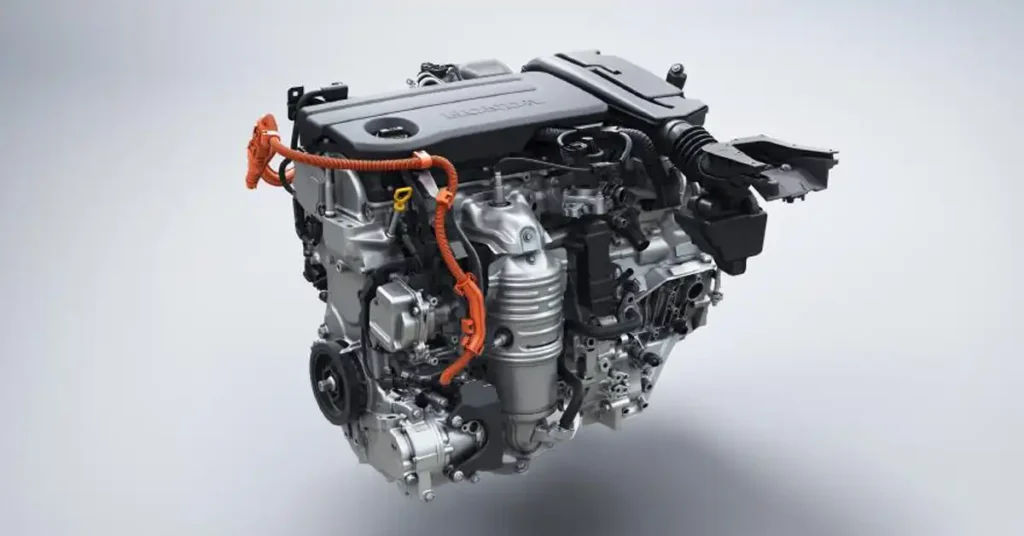
Most hybrids today fit into one of two camps: either eco-leaning plug-ins or mild-hybrids barely worth mentioning. Porsche’s T Hybrid system is neither. It’s a performance hybrid designed to sharpen rather than soften.
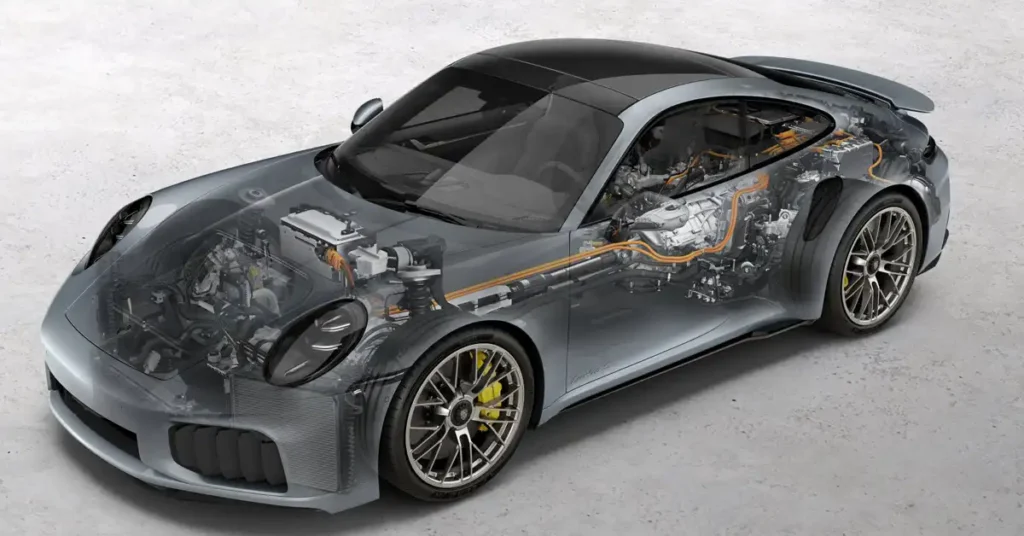
A quick breakdown of what’s happening under the skin:
- Twin electric turbos yes, both turbos are electrically assisted
- 1.9 kWh battery running a 400-volt architecture
- Integrated electric motor inside the 8-speed PDK
- No EV-only mode, because this system is for power, not saving fuel
- AWD via Porsche Traction Management with updated logic
What the hybrid does brilliantly is fill torque gaps. There’s power everywhere, at all times, in every gear. No turbo dip, no waiting, no dead zones. Hybridisation has become a trend among supercars just look at the Ferrari 296 GTB and McLaren Artur abut Porsche’s execution feels uniquely natural.
A Nürburgring Run That Redefines What Heavy Cars Can Do
Hybrids usually mean weight, and weight usually means compromise. The 2026 Turbo S is heavier about 180 kg more than before but somehow Porsche has made it 14 seconds faster around the Nürburgring, logging a wild 7:03.92 lap.
How?
- Sharper e-turbo response
- More aggressive aero
- Revised chassis geometry
- ehPDCC chassis control powered by the 400-volt system
Porsche test driver Jörg Bergmeister summed it up best: “It feels like the car shrinks around you the faster you go.”
The Weight Problem That Never Became a Problem
- Problem: Hybrid systems add mass
- Agitate: Mass kills agility and corner precision
- Solution: Porsche hid the weight through smarter aero, stronger brakes, and unbelievably refined chassis software
Chassis, Handling, and Brakes
(Image Source: News room Porsche)
Speed is easy. Making speed usable is the hard part. Porsche’s work underneath the Turbo S is arguably the most impressive aspect of the car.
Key upgrades include:
- New PCCB brakes, stronger and more fade-resistant
- Wider 325-section rear tyres for traction
- Massive 410 mm rear rotors and 420 mm fronts
- ehPDCC, now powered by the hybrid battery
- PASM retuned specifically for hybrid weight distribution
- Faster front-axle lift for real-world usability
Mercedes and BMW have their own active chassis magic, but Porsche’s setup feels more transparent and more focused on driver confidence rather than outright intervention.
Aerodynamics and Cooling
(Image Source: News room Porsche)
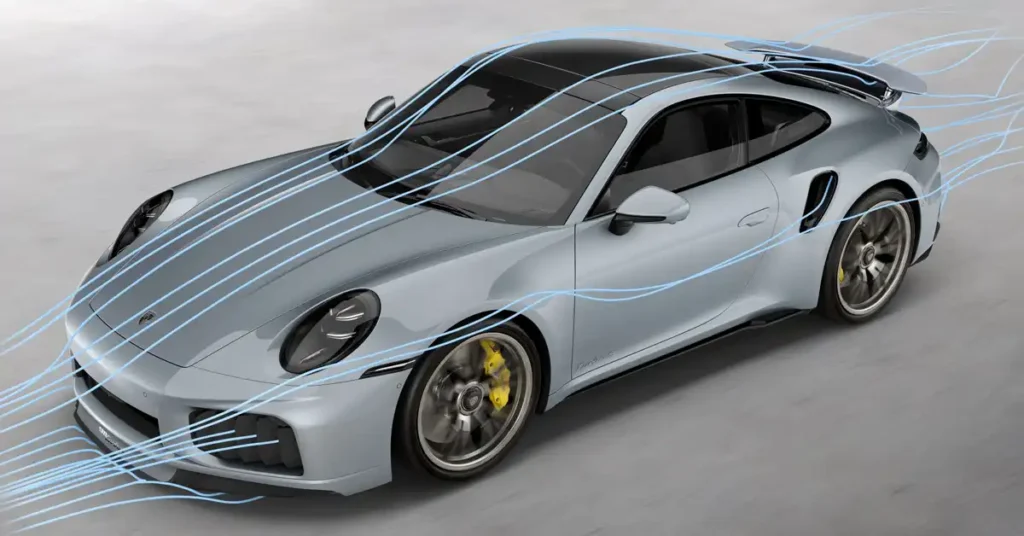
The Turbo S has always been a masterclass in stealth. Subtle tweaks can make giant differences, and that’s exactly what happens here.
Functional changes include:
- Active vertical cooling flaps
- Adaptive front spoiler
- New tilt-adjustable rear wing
- Active rear diffuser
- 10% reduction in drag
- Wet mode, which clears water spray from the brakes
As always with Porsche, the engineering is designed to be invisible felt, not flaunted.
Design and Interior: Turbonite and Tiny Details
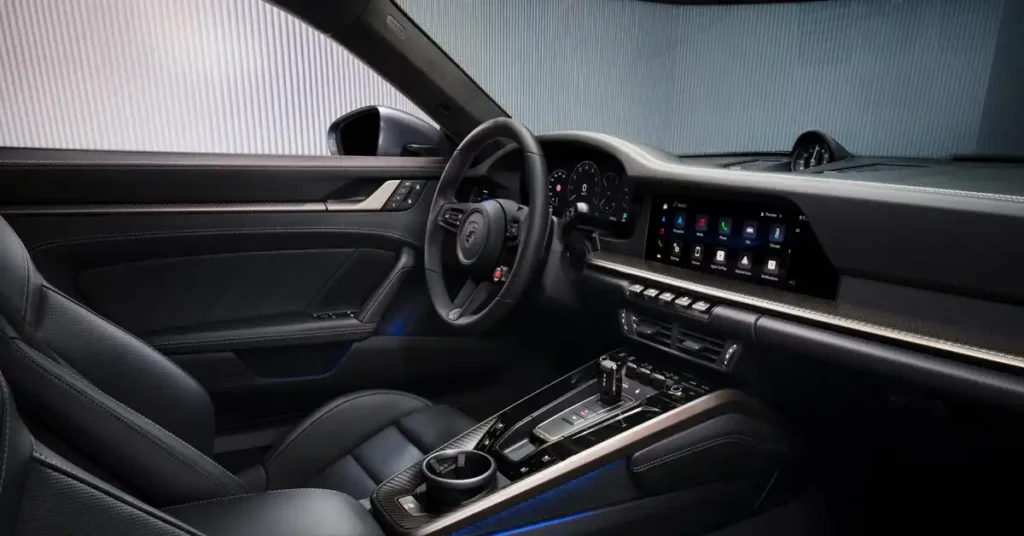
(Image Source: News room Porsche)
Outside, the proportions remain classic Turbo S, but the details are richer, sharper, and more expensive-looking.
Highlights:
- Turbonite accents unique to Turbo models
- Center-lock wheels now available on both coupe and cabriolet
- Titanium exhaust tips
- Carbon fibre aero and interior trims
- Race-Tex headliner
- Optional 2+2 seating in the coupe
Porsche Exclusive Manufacture continues to be a playground for wealthy customers, with matching stitched leathers, custom colours, and of course matching Porsche Design Turbo S watch if you want to go full Porsche-enthusiast.
Rival Comparisons
The Turbo S sits in a unique space between supercars and hyper-GTs. Here’s how it stacks up.
Comparison Table
| Model | Power (hp) | Torque (Nm) | Weight (kg) | 0–100 km/h | Top Speed | Hybrid? | Price (USD) |
| Porsche 911 Turbo S (2026) | 701 | 799 | 1737 | 2.4 s | 322 km/h | T Hybrid | 270,300 |
| Ferrari 296 GTB | 819 | 740 | 1470 | 2.9 s | 330 km/h | PHEV | 324,000 |
| McLaren Artura | 671 | 720 | 1498 | 3.0 s | 330 km/h | PHEV | 273,000 |
| Corvette E-Ray | 655 | 807 | 1712 | 2.5 s | 290 km/h | Hybrid AWD | 104,900 |
Specification Sheet
- Engine: 3.6-litre twin-turbo flat-six
- Power: 523 kW (701 hp)
- Torque: 799 Nm
- Battery: 1.9 kWh high-voltage
- Weight: 1737 kg
- Transmission: 8-speed PDK
- Drive: AWD
- Tyres: 255/35 R20 (front), 325/30 R21 (rear)
- Brakes: PCCB with 420 mm (front) / 410 mm (rear) rotors
- Top speed: 322 km/h
- Price: 270,300 USD (coupe), 284,300 USD (cabriolet)
Pricing and Value
Yes, it’s expensive. But price is hardly the point. In the context of today’s hybrid supercars, the Turbo S looks almost rational.
- Stronger performance than the Artura
- Cheaper than the 296 GTB
- Faster and far more usable than almost anything else
Where others feel like weekend weapons, the Turbo S still feels like a car you could daily-drive without anxiety.
FAQs
Is the 2026 911 Turbo S a plug-in hybrid?
No. It’s not a PHEV and it can’t drive on electric power alone. The hybrid hardware is purely there to boost performance, response, and efficiency under load.
Does the T-Hybrid system add any noticeable lag or weird hybrid behaviour?
Not at all. In fact, it removes lag. The electric turbos spool instantly, so the engine feels sharper and more elastic than any previous Turbo S.
Will the hybrid system affect long-term reliability?
Porsche says the high-voltage components are designed to last the lifetime of the car. The system is also simpler than most plug-in hybrids because it doesn’t deal with charging cycles or EV-range management.
Is the Cabriolet slower than the Coupe?
Only on paper. The extra weight shows up in certain metrics, but on the road the difference is so small you’d only notice it with a stopwatch.
Can you daily drive the new Turbo S?
Absolutely. It’s still one of the easiest supercars to live with — calm in traffic, compliant on rough roads, and quiet enough for long commutes.
Does the added hybrid hardware make the car feel heavier?
Surprisingly, no. The chassis tuning and active systems mask the extra mass to the point where it feels more agile than the outgoing model.
Is the rear seat usable?
In the Coupe, yes but only for children or very short adults. In the Cabriolet, it’s mostly a storage shelf.
Does it still sound like a proper 911?
Yes. The hybrid system doesn’t mute the character of the flat-six. If anything, the twin electric turbos give the exhaust note a slightly cleaner, more high-rev zing.
What’s the biggest difference owners will feel compared to the previous Turbo S?
Instant response. The car reacts the moment you breathe on the throttle, making it feel more alert, more connected, and far quicker in real-world driving.
MotorHub UAE Your Car Performance Partner in the UAE
Hybrid supercars demand the right support. From high-voltage diagnostics to advanced performance scanning, MotorHub helps owners maintain their cars at peak capability. Whether it’s a track session, a desert-weather cooling issue, or routine Turbo S care, our specialists ensure your car performs exactly as Porsche intended every day, in every condition.