(Image Source: Pressroom Toyota)
Electric crossovers are everywhere now, yet very few of them feel exciting. Many promise efficiency and sustainability but forget something essential along the way. Driving enjoyment. The 2026 Toyota C-HR Battery Electric Vehicle is Toyota’s attempt to fix that imbalance. It blends sharp design, serious performance, and everyday usability into a compact electric package that does not feel like a compromise. This is not a cautious first step into electric mobility. It feels confident, deliberate, and surprisingly quick.
Why the C-HR EV Matters Right Now
Toyota’s electric strategy has often been described as patient, sometimes even conservative. The C-HR EV shows what happens when that patience turns into execution.
- Fully electric compact crossover built on the e-TNGA platform
- Dual-motor all-wheel drive as standard
- 338 horsepower combined system output
- Manufacturer-estimated range of up to 467 km
This is Toyota clearly targeting drivers who want performance without stepping into large or expensive electric SUVs.
Design That Looks Fast Standing Still
(Image Source: Pressroom Toyota)
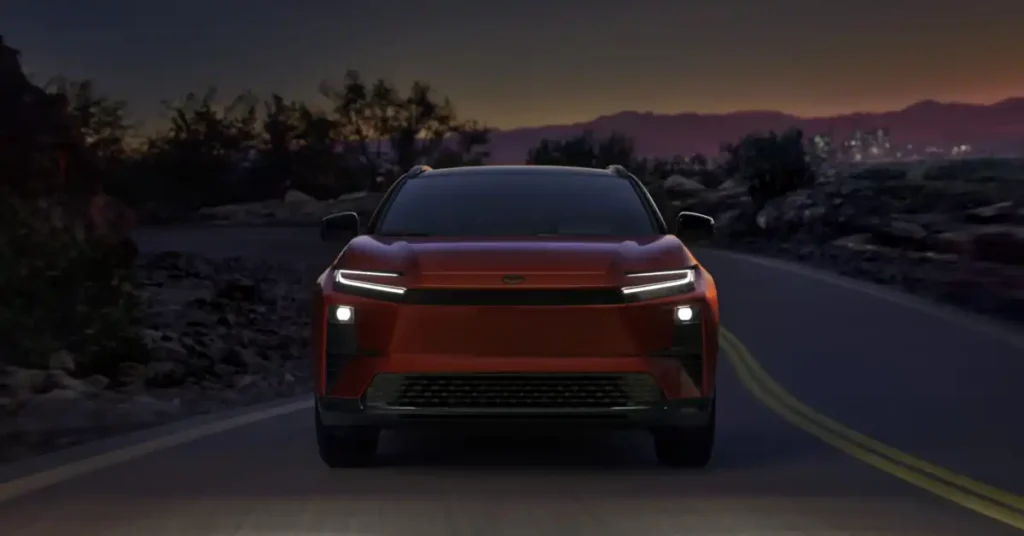
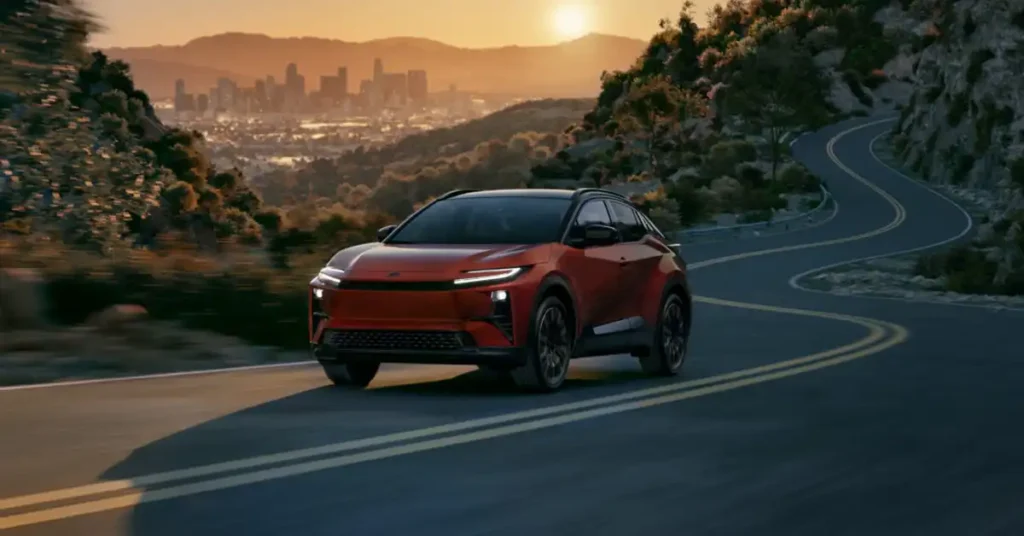
The C-HR EV borrows heavily from coupe-style SUV design, and that works in its favour.
- Hammerhead front fascia with sharp LED lighting
- Wide stance with sculpted body sides
- Sloping roofline that still preserves rear headroom
- Available two-tone paint finishes
At 4,519 mm long and just under 1,880 mm wide, it fits neatly into the compact crossover category while looking more aggressive than most rivals. The proportions give it presence without bulk.
Interior That Feels Genuinely Modern
(Image Source: Pressroom Toyota)
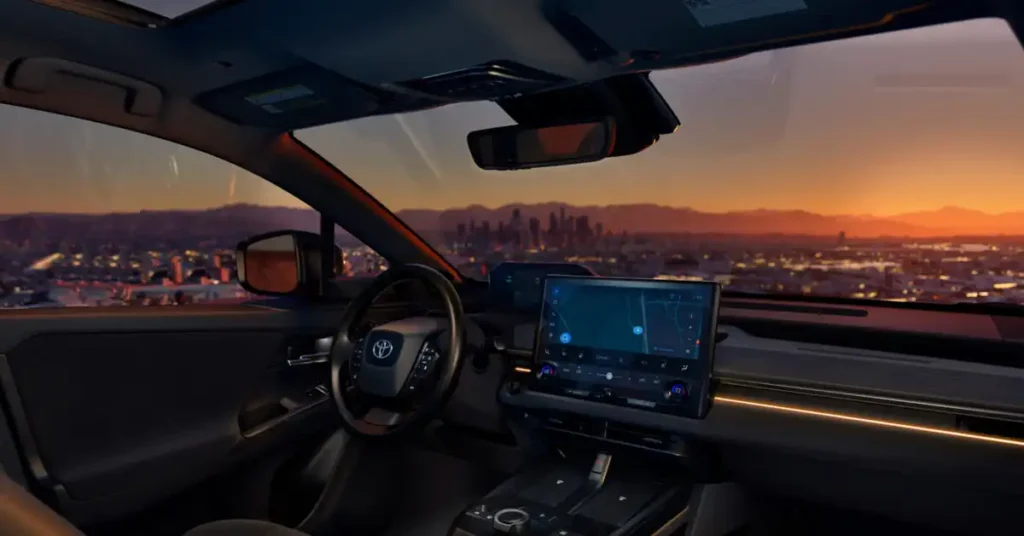
Step inside and the cabin feels more premium than expected for this segment.
- 14-inch central touchscreen
- Fully digital instrument cluster
- Soft-touch materials across major contact points
- Customisable ambient lighting
Toyota has clearly prioritised usability. Controls are easy to reach, menus are logical, and the driving position feels natural. Rear passengers get USB-C ports and proper climate vents, which is not always guaranteed in compact EVs.
Cargo space sits at up to 720 litres with the rear seats folded, making it practical enough for daily life.
Electric Performance That Surprises
This is where the 2026 C-HR EV really changes perceptions.
- Dual electric motors driving all four wheels
- 338 horsepower combined output
- 0 to 100 km per hour in around 5 seconds
The acceleration feels immediate and confident, especially in urban driving and motorway merges. The low centre of gravity, thanks to the underfloor battery pack, keeps body roll under control. Toyota’s chassis tuning leans toward engagement rather than softness.
Battery, Range, and Charging Reality
Toyota equips the C-HR EV with a 74.7 kWh lithium-ion battery.
- Estimated range up to 467 km
- 11 kW onboard AC charger
- DC fast charging from 10 to 80 percent in around 30 minutes under ideal conditions
The inclusion of a North American Charging System port means access to a wide fast-charging network. Plug and Charge support reduces friction by handling authentication automatically at compatible stations.
Battery pre-conditioning helps improve charging speeds in colder conditions, either manually or through navigation-based activation.
Regenerative Braking and Drive Control
Toyota adds steering-wheel mounted paddle shifters to adjust regenerative braking levels.
- Four selectable regeneration settings
- Smooth one-pedal driving capability
- Improved energy recovery in traffic
This system feels intuitive rather than gimmicky, allowing drivers to tailor how the car responds without digging into menus.
Trim Levels and Equipment Strategy
The C-HR EV will be offered in two trims.
SE Highlights
- 18-inch alloy wheels
- Heated seats and steering wheel
- Fabric and SofTex upholstery
- Full Toyota Safety Sense 3.0
XSE Adds
- 20-inch wheels
- Synthetic suede seating
- Driver memory and power passenger seat
- Panoramic View Monitor
- Traffic Jam Assist
Both trims feel well equipped, avoiding the stripped-down base model problem seen in some competitors.
Problem, Agitate, Solution: The Compact EV Dilemma
Problem
Many compact electric SUVs focus on efficiency but lack excitement.
Agitate
Drivers end up with vehicles that feel heavy, slow, and emotionally flat, especially compared to petrol alternatives.
Solution
The C-HR EV delivers real performance, all-wheel drive grip, and sharp styling without sacrificing range or comfort. It proves compact EVs can be engaging again.
Safety and Driver Assistance
Toyota Safety Sense 3.0 comes standard across the range.
- Pre-Collision System with pedestrian and cyclist detection
- Adaptive cruise control
- Lane Tracing Assist
- Proactive Driving Assist
- Blind Spot Monitor with rear cross-traffic alert
Additional features like Safe Exit Alert and Traffic Jam Assist improve real-world safety rather than just boosting spec sheets.
Comparison With Key Rivals
| Model | Power | Range (km) | Drivetrain |
| Toyota C-HR EV | 338 hp | 467 | AWD |
| Tesla Model Y AWD | 384 hp | 533 | AWD |
| Hyundai Kona Electric AWD | 320 hp | 490 | AWD |
| Volkswagen ID.4 GTX | 299 hp | 480 | AWD |
The Toyota positions itself as one of the most powerful options in the segment, with competitive range and standard AWD.
Specification Sheet
- Battery capacity: 74.7 kWh
- Power output: 338 hp
- Drivetrain: Dual-motor AWD
- 0–100 km/h: ~5.0 seconds
- Range: Up to 467 km
- Wheels: 18 or 20 inches
- Seating capacity: 5
Key Technical Data
- Platform: Toyota e-TNGA
- Charging: AC 11 kW, DC fast charging
- Suspension: Independent front and rear
- Regenerative braking: Four levels via paddles
- Infotainment: 14-inch Toyota Audio Multimedia
Frequently Asked Questions
Does the Toyota C-HR EV feel quick in everyday driving, or only on paper?
It feels quick straight away. The instant electric torque and standard all-wheel drive give it strong pull from traffic lights and confident acceleration on highways.
What kind of real-world range should drivers expect?
In mixed city and highway use, most drivers can expect around 420 to 450 km, depending on driving style, weather, and use of regenerative braking.
Is fast charging convenient for daily use?
Yes. With DC fast charging, the battery can go from 10 to 80 percent in about 30 minutes, which works well for short stops or longer trips.
Is the C-HR EV comfortable enough for family use?
Yes. Rear-seat space is practical for adults, and the flat floor design improves legroom. The boot is also well-sized for groceries, luggage, or strollers.
Does the interior feel premium or basic?
The cabin feels modern and well-finished, with soft-touch materials, a large 14-inch touchscreen, and ambient lighting that adds to the premium feel.
How easy is it to live with compared to a petrol SUV?
Very easy. There’s no engine noise, minimal maintenance, smooth one-pedal driving in traffic, and lower running costs compared to petrol equivalents.
Can drivers control regenerative braking strength?
Yes. Steering-wheel paddle shifters allow drivers to choose between four levels of regenerative braking, making city driving smoother and more efficient.
Will the C-HR EV receive software updates over time?
Yes. Toyota supports over-the-air updates for infotainment, navigation, and connected services, helping the car stay current.
Price Expectation
Toyota has not confirmed pricing yet, but expectations place the 2026 C-HR EV starting around USD 42,000 to 45,000, depending on trim and incentives.
MotorHub UAE Perspective: Preparing for High-Performance EV Ownership
Electric vehicles like the Toyota C-HR EV are redefining expectations around performance and reliability. At MotorHub UAE, we support modern electric platforms with advanced diagnostics, battery health assessments, charging system inspections, and software support. As EV technology evolves, professional servicing becomes essential for long-term performance and safety.