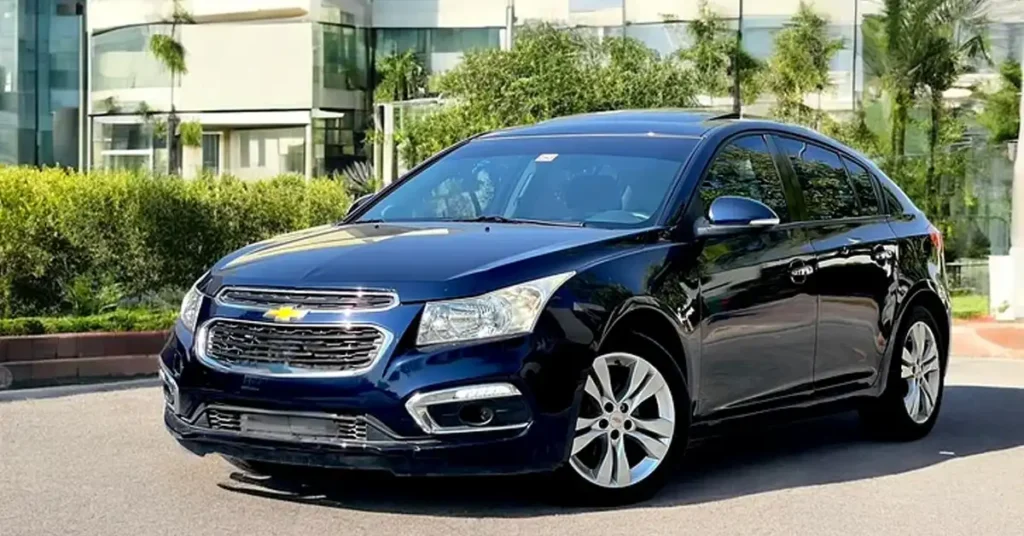
If there’s one thing the Chevrolet Cruze teaches us, it’s that spec sheets don’t always tell the full truth. On paper, the Cruze has always looked like a smart, fuel-efficient, wallet-friendly compact sedan. But talk to owners, mechanics, and long-term reviewers, and you’ll quickly realise that some model years are rock-solid commuters… while others are walking cautionary tales filled with overheating engines, stubborn transmissions, and electronics that behave like they’re haunted. With such a split reputation, choosing the right Cruze can feel like a gamble. This guide clears the confusion by breaking down the best years, the worst years, the recurring issues, and the fixes you actually need to knows you can buy (or keep) a Cruze with confidence instead of crossing your fingers.
Why The Chevrolet Cruze Has Such a Split Reputation
The Cruze has been a common sight on roads globally for good reason. It promised affordability, efficiency, and a smooth daily-driver experience. But its reliability varies drastically depending on which year you pick. Real-world owner reviews often paint a very different picture from glossy brochures: blown gaskets, coolant leaks, dodgy brake assist systems, and electrical gremlins that make dashboards flicker like a Christmas tree.
Mechanics who’ve worked on multiple Cruzes often describe two wildly different personalities: the well-behaved later-year models that feel refined and dependable, and the early-generation versions that can drain energy, patience, and wallets. That’s why this guide cuts straight through the noise highlighting which years are worth your money, which ones you should avoid, and how to keep the good ones running happily for years.
Chevrolet Cruze Model History and Generations
First-Gen (2011–2015)
This is the version most people remember: clean design, compact proportions, and a straightforward engine lineup. It sold well, but early-production models came with a list of mechanical issues that would later become infamous.
Second-Gen (2016–2019)
Chevrolet refined the formula. Better engines, improved interiors, and a more polished ride arrived, along with hatchback options and diesel variants in certain markets. Crucially, GM fixed many underlying mechanical flaws that plagued the first-generation version.
Why Some Years Struggled More Than Others
The earliest Cruzes suffered from predictable new-model issues: poorly designed oil seals, fragile head gaskets, brake assist failures, and transmission problems. GM made steady improvements over the years, especially post-2016. By 2018 and 2019, the Cruze finally grew into the reliable compact sedan it always should have been.
The Best Chevrolet Cruze Years to Buy
2019 The Most Reliable Cruze Year
If you want the least drama, least maintenance headaches, and the highest owner satisfaction, the 2019 Cruze is the one to buy. It has the fewest documented issues, updated braking components, improved electronics, and much smoother transmission behaviour. Chevy ironed out nearly every previous fault by this point, making it the golden year for anyone seeking long-term peace of mind.
Known fixes worth doing early:
A quick check for missing bolts related to the start-stop accumulator, brake coating updates, and routine coolant inspections.
Preventive maintenance:
Regular oil services, coolant checks every 40,000–50,000 km, and periodic brake inspections.
2018 A Very Strong Second Choice
The 2018 Cruze is almost as good as the 2019. The diesel variant, available in some regions, offered impressive fuel economy and smooth torque delivery. Engine reliability was significantly better than early years, with fewer cases of overheating or gasket failures.
Common issues and fixes:
Occasional misfires (usually solved with coil pack replacements), brake assist glitches (vacuum pump replacements fix these), and rare clutch disengagement issues on manual versions.
Preventive care:
Stick to coolant flushes, plug inspections, and timely oil changes to keep it trouble-free.
The Worst Chevrolet Cruze Years to Avoid
2011 The Infamously Problematic First Year
The 2011 Cruze is the one you should avoid unless you enjoy unnecessary stress. This year suffers from nearly every early-production flaw: blown head gaskets, transmission slipping or locking itself out of gear, brake assist failures that make stopping scary, and steering shaft separation risks.
These issues weren’t just annoying they were dangerous and expensive.
Can it be fixed?
Yes, but repairing everything costs more than what many 2011 Cruzes are worth today.
2012 The Year with The Most Complaints
If 2011 was bad, 2012 wasn’t far behind. It recorded some of the highest complaint counts, especially around overheating, coolant leaks, loss of power, transmission failures, and brake lockups.
The cooling system issues alone were so widespread that entire service bulletins were created to address them.
Fixes often include:
Thermostat housing replacements, radiator repairs, flushing the cooling system, or rebuilding the transmission if it’s too far gone.
2014 Diesel Debut with Major Issues
The 2014 Cruze introduced diesel powertrains globally, but this year arrived with troubling issues. Recurring head gasket failures, bizarre electrical problems like self-starting engines, blacked-out dashboards, fuel leaks, and half-shaft fractures were widely reported.
Electrical issues were especially notorious because they often mimicked other problems, leading to misdiagnosis and wasted repair time.
Recommended fixes:
Replace faulty grounding points, inspect alternator output, check fuel lines, and update ECU software where applicable.
Recommended Cruze Years for Buyers on A Budget
- Best Overall: 2019
- Runner-up: 2018
- Acceptable if well serviced: 2016 and 2017
- Only if extremely cheap and documented: 2011, 2012, and 2014
If you’re considering an older Cruze, always prioritise low mileage, detailed service history, and cool-running engine behaviour. The better the care, the fewer the surprises.
Common Chevrolet Cruze Problems and Practical Fixes
1. Engine Overheating & Head Gasket Failures
One of the Cruze’s most infamous problems. Overheating usually starts with coolant leaks or thermostat failures. If ignored, it leads to blown head gaskets.
Fix:
New gasket, fresh coolant, and a thermostat inspection.
Prevention:
Coolant flushes every 40,000–50,000 km and regular water pump checks.
2. Brake Failure or Stiff Pedals
Early Cruzes had brake assist systems that frequently malfunctioned.
Symptoms:
Hard pedal, longer stopping distances, pulsing feel.
Fix:
Replace the brake vacuum pump and flush the system.
Prevention:
Brake fluid replacement every 24 months.
3. Transmission Slipping or Stuck Gears
Common in 2011–2014 models. Linkage issues and solenoid failures were typical culprits.
Fix:
Transmission rebuilds or a solenoid replacement with updated TCM software.
DIY Check:
If RPM rises without matching speed, the clutch packs are wearing out.
4. Coolant Leaks
The Cruze is notorious for coolant leaks near the thermostat housing, radiator, and hoses.
Fix:
Replace faulty components and bleed the cooling system.
Prevention:
Inspect hoses and reservoir levels monthly.
5. Electrical Gremlins & Dashboard Blackouts
Loose grounds and alternator inconsistencies cause flickering screens and random warning lights.
Fix:
Clean ground points, reseat connectors, and replace alternator if voltage fluctuates.
Prevention:
Battery load tests yearly.
Preventive Maintenance Checklist for a Long-Lasting Cruze
- Coolant flush: every 40,000–50,000 km
- Transmission service: every 60,000 km
- Brake fluid: every 24 months
- Turbo inspection (if equipped): 80,000–100,000 km
- PCV system cleaning annually
- Oil changes on time absolutely essential
A well-maintained Cruze can run reliably for many years. Neglect is usually the root of repeat failures.
Comparison With Similar Compact Sedans
| Model | Reliability | Common Issues | Running Costs | Best Years |
| Chevrolet Cruze | Mixed | Cooling, brakes | Low | 2018–2019 |
| Toyota Corolla | Excellent | Minimal | Very low | Almost all |
| Hyundai Elantra | Good | Sensors, suspension | Low | 2018+ |
| Honda Civic | Very good | CVT issues | Medium | 2016+ |
| Mazda 3 | Very good | Suspension noise | Medium | 2017+ |
The Cruze can be a strong contender only if you choose the right year.
FAQs
Is the Cruze a good daily driver?
Yes, especially 2018–2019 models.
How long does a Cruze engine last?
With proper care, around 250,000 km.
Is the diesel Cruze reliable?
Only in later years; 2014 had major issues.
What mileage should you avoid?
Anything above 180,000 km without full-service history.
Which Cruze engine is the strongest?
The later 1.4-litre turbo is the most refined and durable.
The Smart Way to Buy a Chevrolet Cruze
The Chevrolet Cruze can either be a dependable workhorse or a mechanic’s recurring guest. The trick is choosing the right years. The 2018 and 2019 models are easily the smartest buys, while the 2011, 2012, and 2014 years should be avoided unless heavily discounted and impeccably maintained. With proper preventive care, a Cruze can offer low running costs, comfortable commuting, and years of hassle-free ownership.
MotorHub UAE: Your Trusted Support for Cruze Ownership
Whether your Cruze is running hot, shifting oddly, or flashing warning lights like it’s talking in Morse code, MotorHub UAE has your back. Our technicians handle everything from coolant leaks to brake inspections, turbo checks, wiring issues, and complete diagnostics. And with the UAE’s heat putting extra stress on cooling systems and electronics, regular servicing is essential. Book your appointment or pre-purchase inspection with MotorHub and keep your Cruze performing at its best year after year.