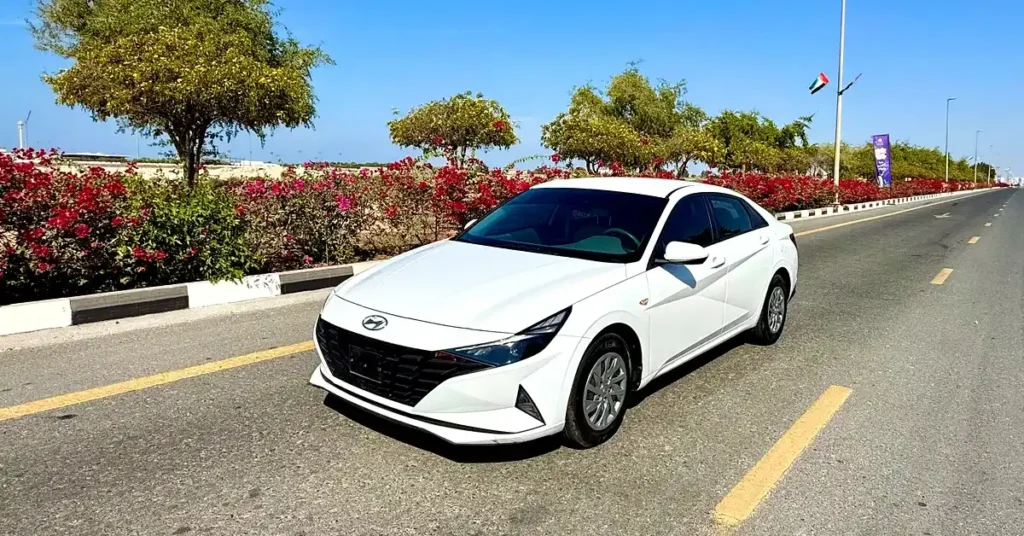
The Hyundai Elantra rarely makes headlines, yet it quietly earns loyalty from owners who want a car that starts every morning, sips fuel sensibly, and does not turn routine ownership into a financial gamble. Over multiple generations, the Elantra has evolved from a basic commuter into a genuinely well-rounded compact sedan with strong reliability scores and real-world longevity. That said, not every model year tells the same story. Some versions developed recurring mechanical and safety issues that buyers need to understand before signing anything. This guide breaks down how reliable the Hyundai Elantra really is, the problems that appear most often, which years to avoid, and which ones remain safe bets.
Are Hyundai Elantras Reliable Overall?
From a long-term ownership perspective, the Hyundai Elantra performs better than many people expect. Independent reliability data consistently places it among the stronger options in the compact sedan class.
Key reliability highlights include:
- RepairPal reliability rating of 4.5 out of 5.0
- Below-average repair frequency compared to segment rivals
- Gradual improvement with each new generation
- Proven high-mileage capability with routine servicing
Owners regularly report Elantras reaching 300,000 kilometres or more when oil changes, cooling system checks, and basic inspections are kept consistent. The car’s strength lies in conservative engineering rather than chasing performance numbers, which tends to pay off over time.
Why the Hyundai Elantra Continues to Attract Buyers
The Elantra succeeds by doing the basics well. It prioritises usability, comfort, and efficiency over aggressive styling or complex drivetrains.
What owners appreciate most:
- Strong fuel efficiency across petrol variants
- Comfortable cabin layout for daily driving
- Competitive safety technology availability
- Reasonable depreciation for a compact sedan
Hyundai’s long powertrain warranty has also played a role in building confidence, particularly for used buyers who want some peace of mind beyond the showroom.
Common Hyundai Elantra Problems Explained Clearly
Even reliable cars develop repeat issues. What matters is whether those problems are predictable and fixable. The Elantra’s issues tend to follow known patterns.
Airbag and Safety System Issues
Airbag-related complaints are among the most reported Elantra problems, particularly in older model years.
Commonly reported concerns include:
- Airbag warning lights turning on unexpectedly
- Faulty seat weight sensors affecting deployment logic
- Takata inflator-related recalls in select years
How these issues are typically addressed:
- Verifying recall completion through official service records
- Replacing faulty sensors or inflators when required
- Running diagnostic scans when warning lights appear
Once recall work is completed properly, these systems usually do not cause repeat failures.
Engine Noise, Rough Running, and Failure
Engine-related complaints tend to cluster around specific production years rather than the entire lineup.
Typical warning signs include:
- Ticking or knocking noises under load
- Rough idle or vibration
- Sudden loss of power or stalling
Common fixes and preventive actions:
- Early inspection when abnormal noise appears
- Software updates where applicable
- Engine repair or replacement under warranty extensions
Owners who respond quickly to early symptoms often avoid catastrophic failure.
Steering and Electronic Power Steering Issues
Steering complaints are usually linked to electronic components rather than mechanical rack failure.
Reported issues include:
- Steering assist loss warnings
- Clicking or knocking during low-speed turns
- EPS warning lights
Effective solutions include:
- Replacing worn steering column couplers
- Repairing faulty EPS connectors
- Software recalibration where applicable
These fixes generally restore steering feel without major component replacement.
Brake and Suspension Concerns
Certain Elantra model years experienced brake and suspension-related recalls.
Commonly reported problems include:
- Brake booster vacuum leaks
- Grinding noises during braking
- Corrosion-prone front coil springs
How owners mitigate these risks:
- Ensuring recall work is completed
- Regular brake inspections
- Checking suspension components in salt-exposed regions
Preventive inspection plays a major role in avoiding safety-related failures.
Hyundai Elantra Years to Avoid
While the Elantra does not suffer from a universally bad generation, some years stand out for higher complaint volumes.
Model years most often flagged by owners and databases:
- 2009
- 2010
- 2012
- 2013
- 2017
These years experienced combinations of engine complaints, steering issues, transmission behaviour problems, and quality inconsistencies that affected owner confidence.
Hyundai Elantra Years Considered Safer to Buy
Other years stand out for stability and improved engineering.
Safer used Elantra years include:
- 2008
- 2018
- 2020
Later models benefit from refined powertrains, better electronics, and fewer widespread complaints, making them stronger used-car choices.
Preventive Maintenance That Makes the Biggest Difference
The Elantra responds well to proactive ownership rather than reactive repairs.
High-impact preventive maintenance areas include:
- Regular engine oil and filter checks
- Cooling system inspections
- Electrical wiring condition checks
- Steering and suspension evaluations
Addressing small issues early often prevents the cascade of failures that give certain model years a bad reputation.
Hyundai Elantra vs Toyota Corolla: A Practical Comparison
| Category | Hyundai Elantra | Toyota Corolla |
| Reliability | Very strong | Excellent |
| Fuel efficiency | Slightly higher | Slightly lower |
| Interior space | More generous | Slightly tighter |
| Warranty coverage | Longer | Shorter |
Both sedans make dependable daily drivers. The Elantra leans toward value and warranty coverage, while the Corolla relies on a long-standing reputation for durability. The choice often comes down to personal preference rather than clear superiority.
Frequently Asked Questions
Is the Hyundai Elantra a reliable used car?
Yes. Later model years in particular offer strong reliability when properly maintained.
Which Elantra years should buyers avoid?
2009, 2010, 2012, 2013, and 2017 are the most commonly cited problem years.
How long can a Hyundai Elantra realistically last?
Many owners report 300,000 kilometres or more with consistent servicing.
Are Elantra engine problems common?
They are concentrated in specific years rather than across all generations.
Is the Elantra cheaper to maintain than rivals?
In most cases, yes. Maintenance frequency and repair severity are generally lower than average.
Supporting Reliable Compact Sedan Ownership in the UAE
For drivers in the UAE, compact sedans like the Hyundai Elantra remain popular due to fuel efficiency, manageable size, and everyday practicality. Regular diagnostics, preventive servicing, and recall verification play a key role in keeping these cars dependable in hot climate conditions. MotorHub supports Elantra owners with condition-based inspections, service reminders, and access to trusted workshops, helping drivers stay ahead of problems rather than reacting to breakdowns.