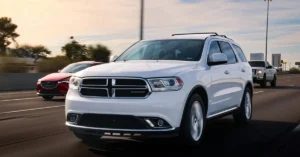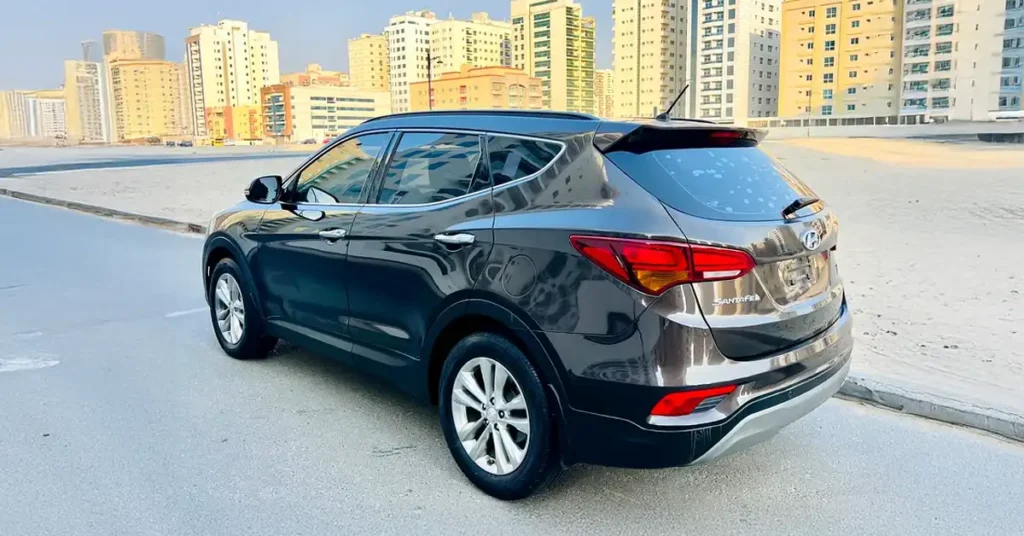
The Hyundai Santa Fe has quietly built a reputation as one of the most sensible midsize SUVs money can buy. It does not shout about performance or chase luxury badges, yet it keeps appearing near the top of reliability charts year after year. Families buy it for space and comfort. Long-term owners praise it for durability and manageable upkeep. Still, like any vehicle with a long production history, the Santa Fe has had a few rough years that buyers need to approach carefully. This guide breaks down what the Santa Fe gets right, where it stumbles, and which model years truly deserve your trust.
Is the Hyundai Santa Fe Actually Reliable?
Reliability is where the Santa Fe earns its stripes. Independent data consistently places it among the most dependable midsize SUVs.
- RepairPal reliability score of 4.0 out of 5.0
- Ranked second among midsize SUVs, just behind the Mazda CX-5
- Lower-than-average repair frequency compared to rivals
- Proven ability to exceed 320,000 km with proper maintenance
Owners often describe the Santa Fe as predictable in the best way. It starts every morning, handles daily commutes without drama, and does not demand constant workshop visits. That reputation explains why it remains popular in both new and used markets.
Common Hyundai Santa Fe Problems You Should Know About
Even reliable vehicles have recurring issues. The Santa Fe’s problems tend to be annoying rather than catastrophic, with a few notable exceptions in specific years.
Transmission Hesitation
Some 2017 Santa Fe owners reported hesitation when accelerating from low speeds.
- Most noticeable when exiting turns or rolling stops
- More pronounced in ECO driving mode
- Can feel unsafe when merging into traffic
Fix:
In many cases, a software update to the transmission control module improves response. Some vehicles benefit from transmission fluid replacement and adaptation reset.
Speaker and Audio System Failure
Affects certain 2008 to 2009 and 2011 to 2017 models.
- Sudden loss of all audio output
- Radio, navigation, calls, and alerts go silent
- Display and controls continue working
Fix:
A hard system reset often resolves the issue. Disconnecting the negative battery terminal for 15 minutes restores audio in many cases. Persistent faults may require infotainment software updates.
Engine Stalling While Driving
Reported mainly on 2014 and older models.
- Sudden engine shutdown at highway speeds
- Loss of acceleration and power steering
- Commonly linked to crankshaft position sensor failure
Fix:
Replacing the crankshaft position sensor usually solves the issue. Hyundai issued technical service bulletins addressing this fault, though not all vehicles were recalled.
Transmission Shudder During Gear Changes
Seen on some front-wheel and all-wheel-drive Santa Fe models from earlier generations.
- Shudder or vibration during 2nd to 3rd gear shifts
- More noticeable when cold
- Occasional jerking from Park to Drive
Fix:
Transmission fluid service and updated control software help reduce symptoms. In severe cases, internal transmission repairs may be required.
Engine Failure in 2012 and 2013 Models
This is the Santa Fe’s most serious black mark.
- Sudden engine failure at around 130,000 km
- No warning lights in some cases
- Highway stalling reported by many owners
Fix:
Hyundai extended warranties and issued recalls for affected engines. Buyers should verify recall completion and engine replacement history before purchase.
Best and Worst Hyundai Santa Fe Model Years
Not all Santa Fes are created equal. Knowing which years to avoid can save thousands in future repairs.
Hyundai Santa Fe Years to Avoid
- 2007 to 2009
Fuel sensor issues, paint defects, and airbag warnings - 2012 and 2013
High risk of engine failure and oil consumption problems - 2017
Transmission hesitation and suspension complaints
These years recorded higher-than-average complaints and recalls across multiple sources.
Best Hyundai Santa Fe Years to Buy Used
- 2015 and 2016
Improved engines, refined transmissions, and better build quality - 2019 onward
Major redesign with upgraded safety systems, better infotainment, and stronger reliability scores
These models deliver the Santa Fe experience at its best.
How Long Does a Hyundai Santa Fe Last?
With routine servicing, a Santa Fe can comfortably reach 320,000 km or more.
- Strong engine longevity outside known problem years
- Durable suspension and chassis components
- Well-proven automatic transmissions in later models
Longevity depends heavily on oil change intervals, cooling system care, and transmission servicing.
Hyundai Recommended Preventive Maintenance (Short Guide)
Sticking to factory maintenance guidelines dramatically reduces Santa Fe problems.
- Engine oil and filter every 10,000 km
- Tyre rotation and brake inspection every 10,000 km
- Cabin air filter every 15,000 to 20,000 km
- Engine air filter every 30,000 km
- Brake fluid every 40,000 km or 2 years
- Transmission inspection every 30,000 km
- Spark plugs every 60,000 to 100,000 km
- Coolant replacement around 100,000 km
- Battery check annually after 3 years
Preventive care is the difference between a dependable SUV and an expensive headache.
Hyundai Santa Fe vs Key Rivals
| Model | Reliability Reputation | Ride Comfort | Known Weak Spots |
| Hyundai Santa Fe | Very strong | Comfort-focused | 2012–2013 engines |
| Mazda CX-5 | Excellent | Sporty and firm | Smaller interior |
| Toyota RAV4 | Excellent | Balanced | Higher used prices |
| Honda CR-V | Strong | Practical | CVT complaints |
The Santa Fe stands out for space and comfort, especially for families.
Frequently Asked Questions
1. Is the Hyundai Santa Fe a safe choice if I’m buying used?
Yes, as long as you choose the right model year. Santa Fe models from 2015–2016 and 2019 onward are generally reliable when properly maintained. Avoid known problem years and always check recall history.
2. Which Hyundai Santa Fe years should I completely avoid?
Most buyers should avoid 2007–2009, 2012–2013, and 2017 models due to higher reports of engine failures, transmission hesitation, and safety-related issues.
3. How long can a Hyundai Santa Fe realistically last?
With regular servicing, many Santa Fe SUVs reach 300,000 km or more. Consistent oil changes, cooling system care, and transmission maintenance make a big difference.
4. Are Hyundai Santa Fe engine problems common?
Not across all years. Serious engine issues are mainly linked to 2012 and 2013 models. Later engines are far more reliable, especially when serviced on schedule.
5. Is the Hyundai Santa Fe expensive to maintain compared to other SUVs?
No. Maintenance costs are generally lower than the midsize SUV average, especially when compared to European rivals. Parts availability and service costs are reasonable.
6. Does the Hyundai Santa Fe handle long highway drives well?
Yes. Owners consistently report good ride comfort, stable handling, and low driver fatigue, making it well suited for long trips and daily commuting.
7. What should I check before buying a used Hyundai Santa Fe?
Always verify engine recall completion, check for transmission hesitation, inspect the cooling system, and review the full service history. A diagnostic scan before purchase is strongly recommended.
MotorHub UAE Insight
Keeping Your Santa Fe Reliable in Hot Conditions
In the UAE, heat, dust, and traffic put extra strain on vehicles. Santa Fe owners should pay special attention to cooling systems, engine oil quality, and air filtration. At MotorHub, our diagnostic checks, scheduled servicing, and software updates help Santa Fe owners maintain reliability in demanding conditions. Whether it is a routine inspection or advanced system scanning, staying proactive keeps your SUV dependable for years.