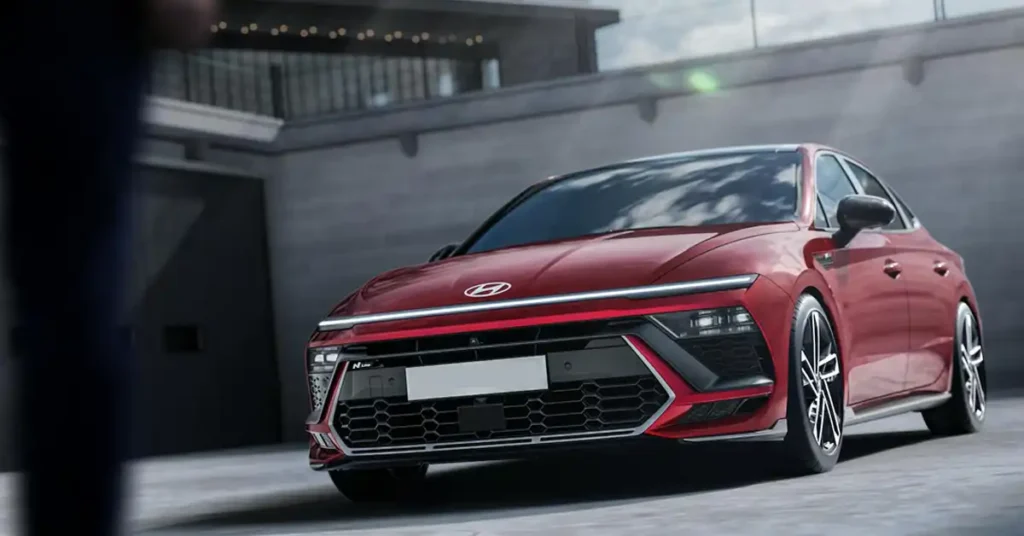
The Hyundai Sonata has quietly earned its place as one of the easiest midsize sedans to live with. For many owners, it delivers strong fuel efficiency, a comfortable ride, and lower maintenance demands than much of the competition. Yet that reputation is not completely spotless. Certain model years developed recurring mechanical and safety issues that can catch buyers off guard if they do not know what to look for.
This guide breaks down how reliable the Hyundai Sonata really is, the most common problems owners face, how those problems are typically fixed, and which years are worth buying or avoiding. If you are considering a used Sonata or already own one, this is the context that matters.
Is the Hyundai Sonata Actually Reliable?
From an ownership perspective, the Sonata scores well for overall reliability, especially when compared to other midsize sedans. Independent reliability tracking consistently places it above average, with fewer unscheduled repairs and lower long-term maintenance demands.
What reliability data consistently shows
- Lower-than-average annual repair frequency
- Strong rankings within the midsize sedan segment
- Fewer complex drivetrain designs than some rivals
That said, reliability depends heavily on model year selection and maintenance discipline.
Why Many Drivers Choose the Hyundai Sonata
The Sonata’s appeal is rooted in value rather than flash. Hyundai focused on everyday comfort, efficiency, and ease of ownership.
Reasons drivers keep choosing the Sonata
- Good real-world fuel efficiency
- Spacious interior that suits families and commuters
- Standard safety technology across many trims
- Predictable driving behaviour with minimal learning curve
It is not designed to excite. It is designed to work every day without complaint.
Interior Comfort and Practicality
One area where the Sonata consistently impresses is interior space. Both front and rear passengers benefit from generous legroom, while the cabin layout prioritises ease of use over visual drama.
Interior strengths
- Comfortable seating for adult passengers
- Logical dashboard and infotainment placement
- Useful storage for daily driving needs
For long commutes or highway travel, the Sonata feels relaxed and unintimidating.
Fuel Efficiency and Ownership Ease
Fuel efficiency is one of the Sonata’s strongest long-term advantages. Petrol-powered models in particular offer dependable efficiency without the complexity of turbo-heavy rivals.
Efficiency benefits
- Reduced fuel stops during daily use
- Stable consumption in mixed driving
- Lower operating stress on the engine
Combined with simple mechanical layouts, this efficiency contributes directly to long-term durability.
Common Hyundai Sonata Problems and How Owners Fix Them
No car is perfect. The Sonata’s issues follow clear patterns, and most have proven solutions when addressed early.
Safety System and Recall-Related Issues
Some Sonata model years were affected by recalls involving seatbelt pretensioners and airbag systems. These were serious but largely contained to specific production batches.
What caused the problem
- Improperly connected seatbelt pretensioner linkages
- Software or wiring faults affecting airbag deployment
How owners fix it
- Confirming recall completion through Hyundai service records
- Replacing faulty pretensioner components
- Updating airbag control module software
Once corrected, these systems rarely fail again.
Engine Knocking and Seizing Problems
Engine failure is the most widely known Sonata issue, particularly in early 2010s models equipped with certain Theta II engines. These failures rarely happen without warning.
Common warning signs
- Metallic knocking during acceleration
- Rising oil consumption
- Gradual loss of power
Effective fixes and prevention
- Monitoring oil levels manually rather than relying on alerts
- Early oil analysis to detect metal debris
- Immediate inspection of connecting rod bearings when noise appears
- Engine replacement or rebuild under extended warranty programs when applicable
Owners who act early often avoid full engine seizure.
Transmission and Shifting Issues
Shifting problems in the Sonata are usually sensor-related rather than full transmission failures.
What causes it
- Faulty vehicle speed sensors
- Outdated transmission control software
How it is fixed
- Replacing the speed sensor
- Recalibrating the transmission control module
- Inspecting wiring connections for corrosion
Once resolved, gear changes typically return to smooth operation.
Steering Clicking and Looseness
Steering complaints often sound worse than they are. Most are linked to wear-prone components rather than structural defects.
Typical causes
- Worn steering column couplers
- Loose steering linkage components
Reliable fixes
- Replacing the flexible steering coupler
- Retorquing steering column fasteners
- Inspecting steering knuckles during suspension checks
These repairs restore steering confidence without major component replacement.
Electrical and Lighting Problems
Electrical issues are common in older Sonatas but are usually minor.
Root causes
- Worn brake pedal rubber stoppers
- Faulty fuse box contacts
- Heat-damaged wiring connectors
Practical fixes
- Replacing brake light switch grommets
- Cleaning or replacing fuse terminals
- Repairing affected wiring harnesses
Once fixed, these issues rarely return.
Timing and Sensor-Related Faults
Timing system noise and sensor failures tend to develop gradually rather than suddenly.
What goes wrong
- Weak timing chain tensioners
- Failing crankshaft position sensors
Preventive solutions
- Inspecting timing components during major services
- Replacing tensioners before chain stretch occurs
- Updating engine control software to prevent false readings
Early attention prevents secondary engine damage.
Hyundai Sonata Years to Avoid
Based on complaint volume and recall data, the following years carry higher risk.
Years best avoided
- 2006
- 2011
- 2012
- 2013
- 2015
These years experienced high rates of engine and safety-related issues.
Hyundai Sonata Years Considered Safer Choices
Several model years stand out as dependable long-term options.
Recommended years
- 2005
- 2009
- 2018
These versions show fewer severe complaints and improved mechanical refinement.
Problem–Solution Reality Check
The Sonata’s biggest weakness is not unpredictability. It is owner neglect. Most serious failures escalated because early warning signs were ignored.
What reduces risk most
- Early diagnostics
- Strict service intervals
- Addressing noise or warning lights immediately
The Sonata rewards proactive ownership more than blind trust.
Preventive Maintenance That Actually Matters
Certain services have an outsized impact on longevity.
High-impact maintenance areas
- Engine oil and filter condition
- Steering and suspension inspections
- Brake and electrical system checks
- Timing system monitoring
These steps significantly reduce long-term failure risk.
How the Hyundai Sonata Compares to Rivals
| Model | Reliability Reputation | Ownership Ease | Notable Weakness |
| Hyundai Sonata | Above average | Very easy | Engine issues in select years |
| Toyota Camry | Excellent | Very easy | Higher purchase cost |
| Honda Accord | Very good | Moderate | Older transmission wear |
| Nissan Altima | Average | Moderate | CVT longevity |
The Sonata delivers strong value when chosen carefully.
Frequently Asked Questions
1. Is the Hyundai Sonata a reliable car if I’m buying it used?
Yes, as long as you choose the right model year. Sonata models from 2005, 2009, and 2018 onward are generally reliable when properly serviced. Avoid known problem years and always check recall history.
2. Which Hyundai Sonata years should I avoid completely?
Most buyers should avoid 2006, 2011, 2012, 2013, and 2015 due to higher reports of engine failures, safety recalls, and electrical issues.
3. How long can a Hyundai Sonata realistically last?
With regular maintenance, many Sonatas reach 300,000 km or more. Consistent oil changes and early attention to warning signs are key.
4. Are Hyundai Sonata engine problems common?
They are mainly concentrated in early 2010s models. Later Sonatas show much better engine reliability, especially when oil levels are monitored closely.
5. Is the Hyundai Sonata expensive to maintain compared to similar sedans?
No. Maintenance costs are generally lower than average for midsize sedans, especially when compared to European or turbo-heavy rivals.
6. Is the Hyundai Sonata good for long highway drives?
Yes. Owners consistently praise its comfortable ride, quiet cabin, and fuel efficiency, making it well suited for long-distance commuting and road trips.
7. What should I check before buying a used Hyundai Sonata?
Verify engine recall completion, check for knocking noises, review the service history, and have a diagnostic scan done before purchase.
MotorHub UAE: Supporting Hyundai Sonata Owners
In the UAE, high ambient temperatures and long highway drives place extra stress on engines, cooling systems, and electronics. MotorHub supports Hyundai Sonata owners with advanced diagnostics, preventive engine inspections, steering system checks, and electrical health monitoring tailored to regional conditions. Regular servicing helps ensure long-term reliability and peace of mind.
Final Verdict
The Hyundai Sonata is not flawless, but it is fundamentally honest. Choose the right year, respond early to warning signs, and maintain it properly, and the Sonata delivers years of comfortable, economical driving. Ignore those basics, and even a reliable car can become a problem.