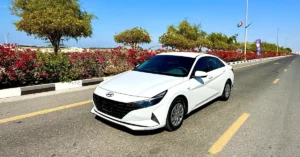
If you’re considering buying a used Nissan Murano, it’s easy to see why this midsize SUV remains such a popular choice. Sleek lines, a comfortable cabin, and family-friendly practicality make it an attractive option for anyone seeking a versatile SUV. But like any vehicle, the Murano is not without its quirks. Certain model years have developed reputations for mechanical problems, pricey repairs, and frustrating performance issues. Choosing the right year and knowing what to watch for can save you time, money, and stress. In this guide, we’ll break down Murano reliability, common problems, preventive maintenance tips, and practical advice for keeping your SUV in top condition.
Why Understanding Murano Reliability Matters
Purchasing a used SUV can be a smart financial decision, but it only works if you know which model years have a history of issues and how to avoid them. The Nissan Murano is well-regarded for comfort and ride quality, yet some vehicles have faced recurring problems that owners describe as costly or annoying. Knowing the right years to target, and the common faults to watch out for, ensures you get the most out of your SUV. Here’s what to keep in mind:
- Some Murano model years are prone to transmission, electrical, and suspension issues.
- Regular preventive maintenance dramatically extends the vehicle’s lifespan.
- Comparing the Murano with other midsize SUVs can highlight which model offers the best balance of reliability, space, and performance.
- Learning from owner experiences uncovers hidden issues not always visible in reviews or marketing material.
Best and Worst Nissan Murano Years
When buying a used Murano, knowing which years to avoid is essential. Some years repeatedly surface in owner complaints and reliability surveys.
Worst Years to Avoid
- 2004 Murano: Early models were plagued by CVT transmission failures, excessive oil consumption, and occasional engine stalling. These problems often appeared well before 100,000 km.
- 2005 Murano: Power steering loss was common, with drivers sometimes losing assistance at critical moments. Transmission slippage and early suspension issues were also reported.
- 2009 Murano: Marking the start of the second generation, electrical malfunctions were widespread, from broken sunroofs to persistent dashboard warning lights. Some drivers experienced uneven acceleration and stalling.
- 2010 Murano: CVT hesitation remained a problem. Brake issues, including premature wear and soft pedals, were reported by multiple owners.
- 2015 Murano: Despite a stylish third-generation redesign, technology issues were frequent, including infotainment freezes, faulty sensors, and return of jerky transmission shifts.
Best Years for Reliability
- 2016–2018 Murano: Fewer transmission and electrical problems, smoother ride, and improved interior features.
- 2019–2021 Murano: Strong reliability scores and consistent safety ratings. Well-maintained examples are likely to serve owners reliably for many years.
Most Common Nissan Murano Problems
Even with a solid reputation, the Murano has had recurring issues across various model years. Here’s what to watch for if you’re buying used or maintaining your SUV:
1. CVT Transmission Issues
The continuously variable transmission (CVT) is often cited as the Murano’s most notorious problem. Common symptoms include:
- Jerking or slipping during acceleration
- Overheating during long drives or in hot climates
- Premature failure in early models
Practical Tip: Regular CVT fluid inspections and following Nissan’s maintenance schedule can help avoid serious problems and preserve transmission life.
2. Electrical and Infotainment Glitches
Electrical systems can be a source of frustration in some Muranos. Typical complaints include:
- Dashboard warning lights turning on with no actual fault
- Infotainment freezing or black screens
- Malfunctioning sensors affecting climate control and safety features
Proactive Advice: Ensure software updates are applied and sensors are inspected during routine servicing. Many minor electrical faults can be resolved before they impact your driving experience.
3. Sunroof and SkyView Roof Issues
The panoramic sunroof offers luxury but can cause headaches if not properly maintained. Problems include:
- Water leaks after rainfall or car washes
- Rattling or cracking noises
- Occasional spontaneous glass shattering in older models
Maintenance Tip: Inspect seals regularly and address any leaks immediately to prevent damage to the interior.
4. Braking Problems
Some Muranos exhibit early wear or soft brake pedals, which is a major safety concern. Watch for:
- Brake pedal that feels mushy or travels further than normal
- Premature wear of brake pads, rotors, or ABS components
- Unexpected brake system alerts
Advice: Schedule regular brake inspections, especially if you notice any unusual noises or decreased stopping performance.
5. Steering and Suspension Concerns
The Murano’s smooth ride depends on its steering and suspension, which can deteriorate in older models:
- Clunking sounds or vibrations while driving
- Uneven tyre wear
- Loss of handling precision, especially on bumpy roads
Solution: Routine suspension checks and timely replacement of worn components maintain ride quality and safety.
6. Interior Accessories and Engine Mounts
Common interior problems include broken seat adjusters, sun visors, or door handles, while failing engine mounts can create vibration and abnormal noises.
Preventive Step: Inspect and replace faulty interior components and engine mounts promptly to maintain comfort and avoid further damage.
Nissan-Recommended Preventive Maintenance
Maintaining a Murano according to Nissan’s schedule keeps it reliable and safe. Here’s a concise overview:
- Every 8,000 km: Engine oil and filter change, tyre rotation
- Every 16,000 km: Oil and filter change, brake inspection, CVT fluid check
- Every 24,000–32,000 km: Brake fluid change, suspension, steering, and drivetrain inspection
- Every 36,000–48,000 km: Cabin and engine air filter replacement, overall system check
- Every 96,000 km: Major inspections including CVT fluid, drive belts, exhaust, and steering components
Tip: In harsh climates or on dusty roads, more frequent inspections are recommended
Nissan Murano vs Competitors: Midsize SUV Comparison
| Feature | Nissan Murano | Toyota Venza | Honda Passport | Ford Edge |
| Engine | 3.5L V6, 260 HP | 2.5L Hybrid, 219 HP | 3.5L V6, 280 HP | 2.0L Turbo, 250 HP |
| Transmission | CVT | CVT | 9-speed Auto | 8-speed Auto |
| Cargo Space | 1,448 L max | 1,439 L | 1,476 L | 1,589 L |
| Reliability Score | 3.5/5 | 4/5 | 4/5 | 3.5/5 |
| Safety Rating | 5 stars NHTSA | 5 stars | 5 stars | 5 stars |
FAQs About the Nissan Murano
Q1: Is the Nissan Murano reliable?
A: Yes, particularly 2016–2021 models. Regular inspections and preventive maintenance are key to reliability.
Q2: Which Murano years should I avoid?
A: Avoid 2004, 2005, 2009, 2010, and 2015 due to recurring transmission, brake, and electrical issues.
Q3: Are Murano brakes and suspension expensive to maintain?
A: Routine maintenance can prevent costly repairs. Keep an eye on pad, rotor, and suspension wear.
Q4: How much cargo space does the Murano offer?
A: Up to 1,448 litres with the rear seats folded, ideal for family trips, groceries, or luggage.
Q5: How often should I maintain the CVT?
A: Check CVT fluid every 16,000 km and follow Nissan’s recommended schedule for replacements.
Q6: Do electrical issues affect all Muranos?
A: More common in 2009–2015 models. Newer Murano models are more reliable with fewer sensor and infotainment problems.
Keep Your Murano Road-Ready
Expert Nissan Murano Care in the UAE
MotorHub provides trusted Nissan service across the UAE to keep your Murano performing at its best. From preventive inspections to brake, suspension, and CVT maintenance, our expert technicians ensure your SUV handles the heat, dust, and urban driving conditions unique to the region. Book a service with MotorHub UAE to maintain reliability, comfort, and peace of mind on every journey.