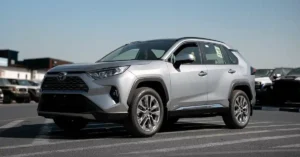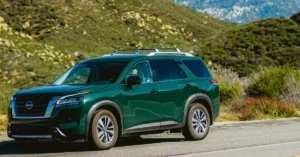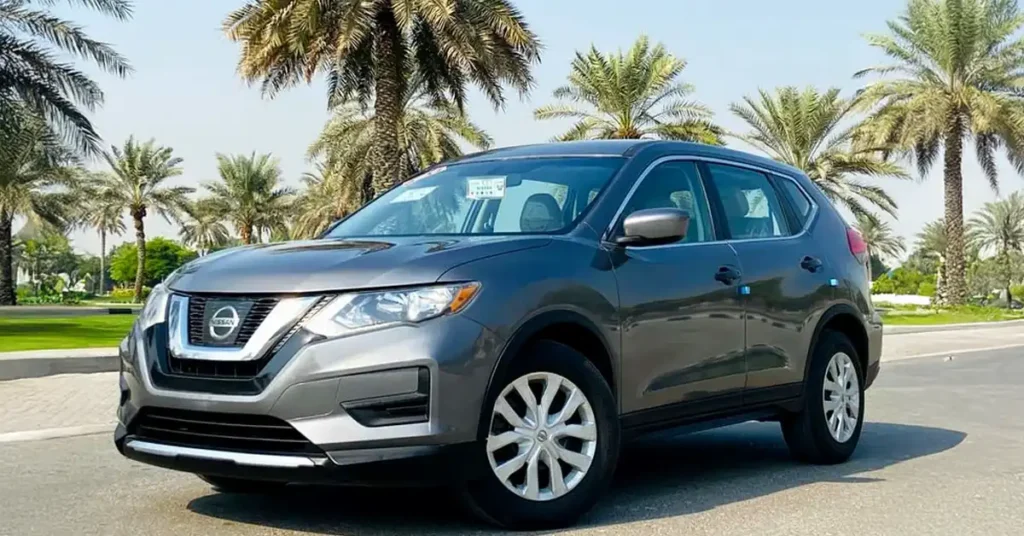
The Nissan Rogue is one of those compact SUVs you see everywhere. It blends into daily life, carries family gear without fuss, and feels easy to drive even in tight city streets. It climbed the popularity charts because it ticks many boxes for the average driver. It is comfortable. It is efficient. It has the tech most people want. Yet beneath that smooth personality, the Rogue’s reliability story is more complicated than many realise. Some model years deliver long, trouble-free ownership. Others struggle with transmission complaints, electrical hiccups, unexpected braking behaviour, or odd suspension noises.
That is why buyers researching a used Rogue often ask the same questions. Which Rogue years are safe to buy. Which ones should be avoided. What issues are normal. What problems point to something serious. In this detailed guide, we break down the common problems, the best and worst years, and the maintenance routines that help keep the Rogue running smoothly for years.
A Quick Look at What This Guide Covers
The Rogue competes in a crowded segment, and buyer expectations are high. Some years deliver. Some disappoint. To help you understand the full picture, this guide goes through:
- How the Rogue evolved across its generations
- The most common mechanical and electrical problems
- Why the CVT transmission remains the biggest talking point
- The years you should avoid
- The model years that stand out for strong reliability
- The maintenance steps Nissan recommends
- How the Rogue stacks up against rivals
- Practical FAQs for buyers and owners
The Nissan Rogue Story and Why Reliability Varies So Much
The Rogue made its debut in 2008 as Nissan’s core compact SUV. It offered sleek styling and strong fuel efficiency at a time when buyers were shifting away from sedans. Much of that efficiency came from Nissan’s Xtronic CVT. Nissan pushed CVT technology aggressively, promising smoother acceleration and better economy than traditional automatic gearboxes.
The idea worked. Sales grew fast. Families flocked to it. But as the kilometres piled up, early CVTs began to show their limits. Many Rogues did well. Some even reached more than 200,000 km without major issues. Others did not make it past the first 100,000 km before showing symptoms such as shuddering, overheating, or delayed acceleration. This split created a reputation where some owners praised the Rogue as dependable and comfortable. Others warned about unpredictable repair bills.
The latest generation models have improved build quality, better software, and smoother drivetrains. But the mixed reliability record from older years still follows the Rogue today.
The Most Common Nissan Rogue Problems Explained
Not every Rogue has issues. But the patterns across owner reports, complaints databases, and long-term tests reveal several recurring problems.
Transmission Shudder, Acceleration Loss, and Overheating
This is the number one issue on older Rogues. The CVT may shake during acceleration. It may hesitate when you press the pedal. It may overheat when climbing hills or driving long distances in hot weather. Some owners report sudden drops in power that feel like the vehicle is slipping. These issues triggered multiple class-action lawsuits in the United States, which shows how widespread the complaints were.
Engine Power Loss Under Load
Some Rogues show sudden power dips during overtaking or climbing steep roads. This often comes from sensors sending incorrect data, fuel system restrictions, or CVT stress. Technicians usually start by checking the airflow sensors, throttle body cleanliness, and software updates.
Electrical System Glitches and Infotainment Freezing
Owners have reported blank screens, backup camera glitches, radio resets, or touchscreens freezing. Many of these issues improve after software updates. Some require wiring or connector inspections.
Brake Problems Including Sudden Automatic Braking in 2018 Models
The 2018 Rogue is known for unprompted braking warnings or unexpected automatic braking. These glitches came from radar sensors misreading objects. Nissan issued updates to reduce sensitivity. Earlier Rogue years also report brake noise or uneven pedal feel.
Suspension Noise and Body Fit Issues
Front suspension clunks are common in older models. They usually come from worn struts or bushings. Some owners also noticed wind noise caused by misaligned door seals.
Fuel System and EVAP Problems
Several older Rogues had inaccurate fuel gauge readings or EVAP system clogs that made refueling difficult. Nissan issued extended warranty support for some of these faults years ago.
Sunroof Rattles or Shattering in 2012 and 2013 Models
Owners of these years reported rattling or sudden breakage. The glass had weak edges that could crack under pressure. This resulted in legal scrutiny and improvements in later models.
Nissan Rogue Years to Avoid
Some Rogue years simply show far more complaints than others. These are the ones most technicians and used car reviewers suggest avoiding:
- 2008
- 2009
- 2010
- 2011
- 2012
- 2013
- 2014
- 2015
- 2016
- 2018
Most of these years struggle with CVT issues. The 2018 model avoids major transmission problems but suffers from sudden braking behaviour that made headlines.
The Best Nissan Rogue Years You Can Buy
If you want the safest choices with fewer major complaints, focus on:
- 2017
- 2019
- 2020
- 2021
- 2022
- 2023
- 2024
- 2025
The 2017 model still has a few minor CVT complaints but is far more reliable overall. The 2019 and newer models benefit from improved build quality, better electronics, and fewer drivetrain issues
Problem and Solution Breakdown
Here is how most technicians approach common Rogue issues.
Transmission Shudder or Delay
- Check CVT fluid condition
- Update the software
- Inspect the cooling system
- Diagnose early to prevent overheating damage
Engine Power Loss
- Clean or replace airflow sensors
- Inspect the throttle body
- Check for clogged fuel injectors
- Update engine control software
Electrical Problems
- Update infotainment software
- Inspect connectors for corrosion
- Replace faulty backup camera units
- Reset the system after software patches
Brake and Suspension Issues
- Replace worn bushings or struts
- Recalibrate braking sensors
- Inspect ABS or automatic braking modules
- Check rotor condition and brake pad alignment
Preventive Maintenance for a Healthier Rogue
Nissan’s recommended service plan helps reduce long-term problems.
- Oil change every 10,000 km
- Transmission fluid inspection every 20,000 km
- Brake check every 20,000 km
- Steering and suspension inspection every 30,000 km
- Cooling system inspection every 30,000 km
- EVAP check every 40,000 km
- Cabin filter change every 15,000 km
- Extra inspections for drivers in hot climates or towing conditions
Following these intervals reduces the risk of power loss, overheating, and electrical malfunctions.
How the Rogue Compares to Rivals
The Rogue competes directly with the Toyota RAV4, Honda CR V, and Mazda CX 5.
- The RAV4 leads in long term durability
- The CR V offers smoother engines and fewer major faults
- The CX 5 stands out in driving feel and premium cabin quality
- The Rogue offers comfort, efficiency, and strong tech features
- The Rogue loses points for CVT reliability in older years
- Newer Rogues close the gap with improved engineering
Overall, the Rogue is a solid pick for comfort and daily practicality, while rivals may appeal to buyers seeking stronger long-term reliability.
Frequently Asked Questions About the Nissan Rogue
1. How long can a Nissan Rogue last with proper maintenance?
With regular servicing and timely repairs, many Nissan Rogues easily exceed 200,000 km, especially newer models with improved drivetrain components.
2. Is the Nissan Rogue CVT more reliable in recent model years?
Yes. Starting from 2019 onward, Nissan updated the software, cooling system, and internal components, leading to far fewer CVT complaints compared to older generations.
3. Why do some older Nissan Rogues lose power during acceleration?
Sudden power dips are most common in high-mileage Rogues due to CVT stress, airflow sensor faults, or throttle body issues. Cleaning sensors and updating software often resolves it early.
4. Are the latest Rogue models considered dependable for daily use?
Yes. The newest generation (2021–2025) shows strong reliability, improved electronics, better ride quality, and fewer major mechanical issues compared to early models.
5. What are the warning signs of early CVT transmission problems?
Watch for shuddering, delayed throttle response, whining noises, or unusually high RPM at low speeds. Addressing these signs early can prevent expensive repairs.
6. Is the Nissan Rogue good for long-distance highway trips?
Absolutely. Newer models handle highway driving well. For older Rogues, especially pre-2017, it’s best to inspect the CVT and cooling system before long trips.
7. Why does the Rogue sometimes trigger unexpected braking warnings?
Mainly seen in the 2018 model, this is caused by overly sensitive radar sensors. Software updates help reduce false alerts, and sensor recalibration usually fixes the issue.
MotorHub UAE Nissan Rogue Support
At MotorHub UAE, our technicians specialise in full-size SUVs like the Nissan Armada. We offer detailed inspections, brake and transmission diagnostics, cooling system servicing for hot climates, and preventive maintenance tailored for UAE driving conditions. Whether you’re buying a used Armada or maintaining your current one, we help keep your SUV running strong, smooth, and trouble-free.