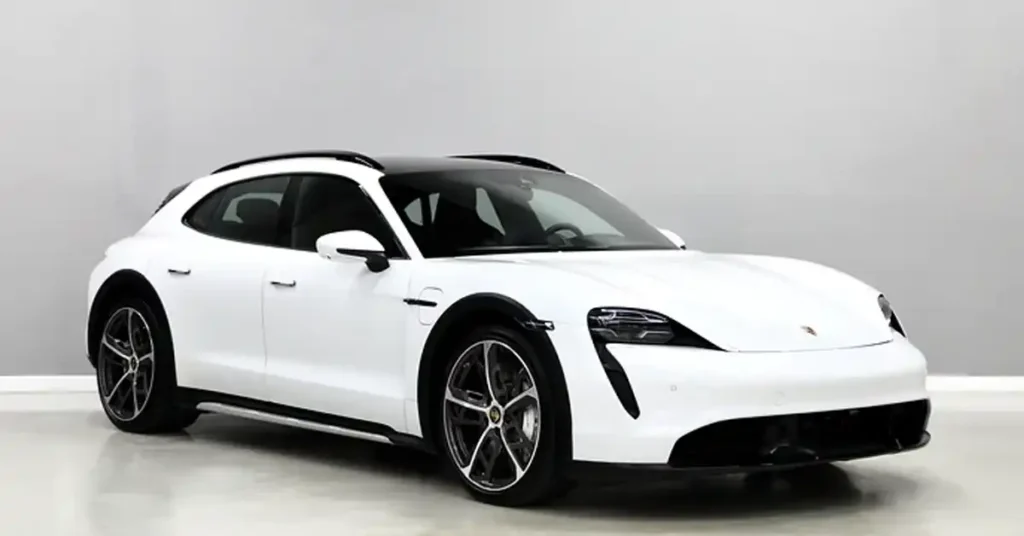
The Porsche Taycan did something few electric cars had managed before it arrived. It proved that an EV could feel emotional, precise, and unmistakably Porsche. The steering is sharp. The acceleration is brutal. The build quality feels premium in a way that numbers alone cannot explain. For many drivers, the Taycan remains the most engaging electric car on the road.
But being first is rarely perfect. As more Taycans rack up kilometres, real-world ownership patterns are becoming clear. Most issues are not catastrophic. Many are software-related. Still, they are worth understanding before you buy or if you already own one.
This guide breaks down the most common Porsche Taycan problems, why they happen, and how owners can stay ahead of them.
What This Guide Covers
Before diving in, it helps to set expectations.
This article explains:
- The most reported Porsche Taycan problems worldwide
- Why software plays a bigger role than hardware in many faults
- Practical fixes and preventive steps owners can take
- The best and worst Taycan production years so far
- How the Taycan compares with rival performance EVs
Charging and Software Issues
Charging complaints are the most common Taycan discussion topic.
What Owners Experience
- Charging sessions stopping unexpectedly
- Inconsistent behaviour at public fast chargers
- Slow handshake between the car and charger
- Range readings that change after updates
Why It Happens
The Taycan relies on complex communication between the car, the charger, and backend software. Early software versions were not always consistent across different charging networks. Minor errors can interrupt charging even when hardware is fine.
Practical Fixes
- Keep vehicle software fully updated
- Use compatible and well-maintained chargers
- Avoid interrupting updates mid-process
- Perform periodic system checks during scheduled servicing
Most charging issues improve dramatically after software updates
12-Volt Battery Drain Problems
Even a high-performance EV still depends on a traditional 12-volt battery.
Common Symptoms
- Screens do not power on
- Doors fail to unlock
- The car appears completely dead
Why It Happens
The Taycan uses many control modules that remain on standby. If the car sits unused, the 12-volt battery can drain faster than expected. Early software also struggled to manage deep sleep cycles efficiently.
Practical Fixes
- Drive the car regularly
- Monitor 12-volt battery health during inspections
- Update energy management software
- Avoid leaving the car unused for long periods
This issue is well known and largely manageable.
Infotainment and Screen Glitches
The Taycan’s interior technology looks impressive but can misbehave.
What Owners Report
- Frozen central display
- Random system reboots
- Reversing camera delay or failure
Why It Happens
Infotainment systems handle navigation, connectivity, and vehicle settings. Software conflicts or memory overloads can temporarily disrupt performance.
Practical Fixes
- System recalibration during servicing
- Software optimisation updates
- Limiting unnecessary user profiles and apps
Most infotainment issues are not hardware failures.
Suspension and Ride Height Faults
Adaptive suspension is central to the Taycan’s comfort and control.
Common Problems
- Incorrect ride height warnings
- Uneven self-levelling
- Rear-axle steering alerts on equipped models
Why It Happens
Sensors constantly monitor road conditions and body movement. Calibration drift or software misinterpretation can trigger warnings even when hardware is intact.
Practical Fixes
- Regular suspension diagnostics
- Recalibration after wheel alignment
- Address warnings early rather than ignoring them
When corrected early, these issues rarely return.
Electrical Warnings and System Alerts
The Taycan uses dozens of interconnected control units.
Typical Warnings
- Drive system fault
- Chassis system error
- Temporary limp mode
Why It Happens
False positives can occur due to voltage fluctuations or conflicting sensor data. The system is designed to protect itself, sometimes aggressively.
Practical Fixes
- Full diagnostic scans during servicing
- Software harmonisation updates
- Battery health monitoring across systems
Most warnings disappear once root causes are addressed.
Climate Control and Heat Pump Issues
Thermal management matters in an electric car.
Common Complaints
- Weak cabin heating
- Climate screen freezing
- Reduced efficiency in cold conditions
Why It Happens
The Taycan’s heat pump manages both cabin comfort and battery temperature. Early calibration struggled in certain environments.
Practical Fixes
- Climate system software updates
- Periodic HVAC diagnostics
- Pre-conditioning the car while plugged in
Updated software significantly improves performance.
Inverter and Drive Unit Concerns
These issues are rare but serious if ignored.
Reported Symptoms
- Sudden power reduction
- Jerky acceleration
- Drive system fault messages
Why It Happens
High-voltage communication errors or thermal protection triggers can reduce power temporarily.
Practical Fixes
- High-voltage system diagnostics
- Firmware updates
- Monitoring warning logs for early detection
Most cases are resolved without component replacement.
Brake Feel and Regenerative Transition
Blending regenerative and friction braking is complex.
What Drivers Notice
- Inconsistent brake pedal feel
- Abrupt transitions at low speeds
Why It Happens
Software manages how regeneration hands over to physical brakes. Driving style and mode selection influence feel.
Practical Fixes
- Brake system recalibration
- Software updates
- Consistent driving mode use
Over time, drivers usually adapt.
Best and Worst Porsche Taycan Years
Production year matters with new technology.
Years to Be Cautious With
2020 Taycan
As the first production year, it experienced the most software instability and early-generation quirks.
Recommended Years
2021 Taycan and newer
Later models benefit from refined software, better energy management, and improved system integration.
Preventive Maintenance That Makes a Difference
Preventive care keeps Taycan ownership smooth.
Recommended habits include:
- Keeping software fully updated
- Regular battery health checks
- Suspension calibration inspections
- Diagnostics even when no warnings appear
- Avoiding long periods of inactivity
Most Taycan problems are preventable.
Porsche Taycan vs Key Electric Rivals
| Model | Strength | Common Weakness |
| Porsche Taycan | Driving feel and build quality | Software complexity |
| Tesla Model S | Charging network | Build consistency |
| Audi RS e-tron GT | Comfort and refinement | Weight |
| BMW i5 M60 | Interior tech | Less engaging handling |
The Taycan remains the most driver-focused option.
Frequently Asked Questions
Is the Porsche Taycan reliable for long-term ownership?
Yes, especially 2021 models and newer. Most Taycan issues are software-related rather than mechanical, and reliability improves significantly with regular updates and diagnostics.
Which Porsche Taycan model year should I be most cautious about?
The 2020 Taycan is the year to approach carefully. As the first production year, it experienced the highest number of software bugs, charging issues, and early battery management quirks.
What is the most common problem Taycan owners face?
The most common issues involve charging interruptions and software glitches, not hardware failure. These are usually resolved through software updates and system recalibration.
Do Porsche Taycan warning messages always mean something is broken?
Not necessarily. Many warnings are protective software alerts triggered by voltage changes or sensor data conflicts. A diagnostic scan often resolves them without part replacement.
How serious is the 12-volt battery issue on the Taycan?
It is well known but manageable. If the car is left unused for long periods, the 12-volt battery can drain. Regular driving and software updates largely prevent this issue.
Is the Porsche Taycan suitable as a daily driver?
Yes. When driven regularly and kept updated, the Taycan works very well as a daily car. Short trips without charging or long periods of inactivity are what cause most issues.
Does fast charging harm the Taycan’s battery in hot climates?
Frequent fast charging increases heat stress, especially in hot regions. Using battery pre-conditioning, mixing AC and DC charging, and monitoring thermal performance helps protect long-term battery health.
Is maintaining a Porsche Taycan more expensive than a petrol Porsche?
Routine maintenance is often lower than petrol Porsche models, but diagnostics and software expertise are critical. Costs rise mainly when issues are ignored rather than addressed early.
MotorHub UAE Insight: Supporting High-Tech EV Ownership
Keeping the Porsche Taycan Reliable in UAE Conditions
High temperatures, short journeys, and frequent fast charging place extra stress on electric vehicles in the UAE. Battery management, cooling efficiency, and software calibration become even more important here.
MotorHub supports Porsche Taycan owners with advanced EV diagnostics, software health checks, and preventive maintenance designed for regional driving conditions. Staying proactive ensures the Taycan delivers the performance, safety, and reliability Porsche intended.