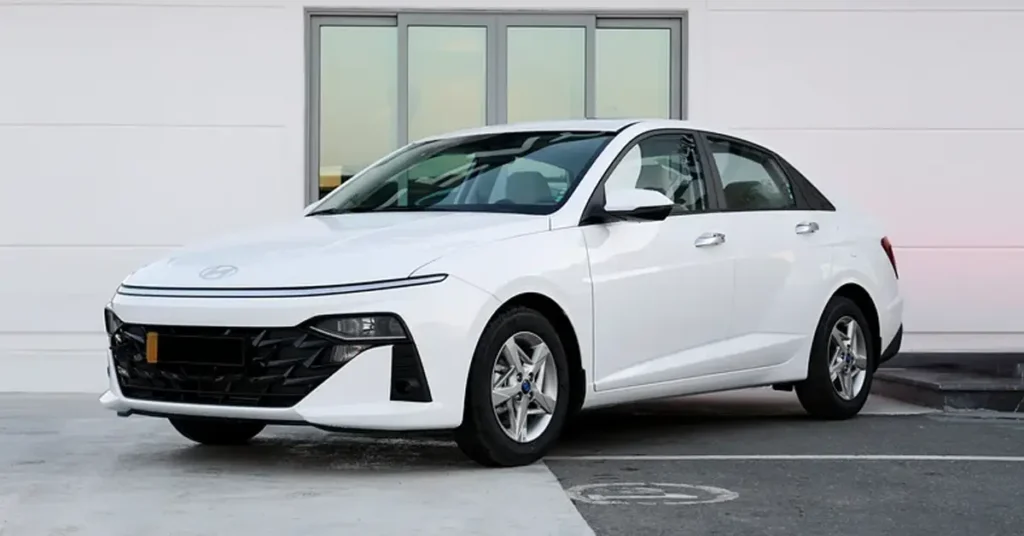
Last Updated: January 30, 2026
Summary
The Hyundai Accent is a simple, dependable compact car, but long-term reliability depends on model year, heat exposure, and maintenance discipline. Most failures develop gradually through sensors, ignition, cooling, and electrical systems. This guide explains what actually fails, why it fails, which years are safest, and how informed owners avoid repeat problems.
In this guide, we’ll break down how reliable the Hyundai Accent really is, what issues to look out for especially if you’re buying used and how to keep your Accent running strong for years.
Is the Hyundai Accent actually reliable?
Short answer: yes, especially post-2018, but earlier years need closer inspection.
The Accent earns its reputation through mechanical simplicity rather than advanced technology. It rarely suffers sudden breakdowns. Most issues emerge slowly through sensors, wiring, cooling, and voltage instability. Owners who understand these patterns routinely exceed 200,000 km without major disruption.
Why do some Accent years perform better than others?
Short answer: drivetrain revisions and electronics quality improved significantly after 2018.
Earlier Accents used older automatic transmissions and first-generation safety electronics. From 2018 onward, Hyundai improved engine management, safety systems, and transmission calibration. Complaint density dropped, recalls decreased, and long-term ownership became more predictable.
Hyundai Accent engine overview and weak points
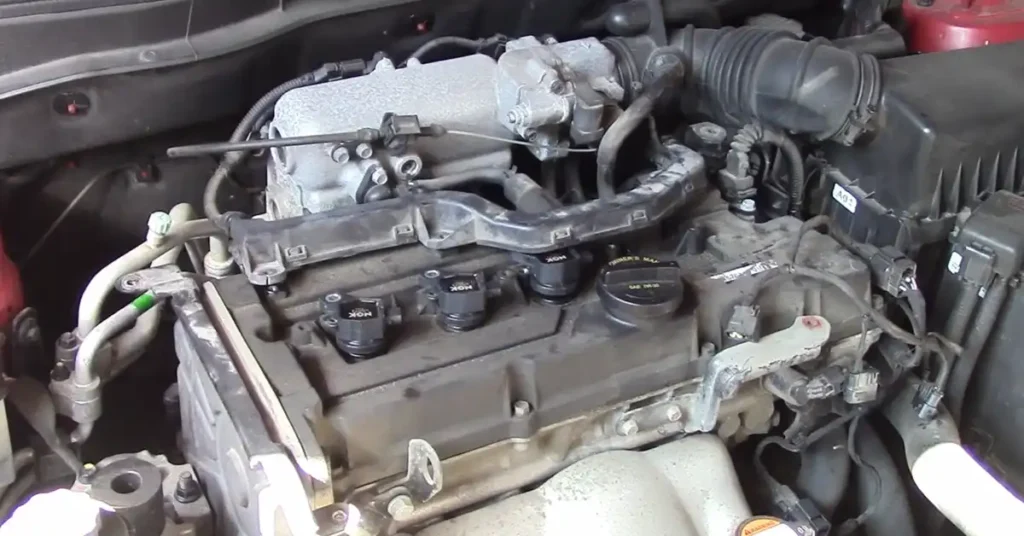
Engine bay of a Hyundai Accent
Short answer: the 1.6-litre naturally aspirated engine is durable but heat-sensitive.
Most Accents use a 1.6-litre inline-four petrol engine. It avoids turbo complexity but relies heavily on sensor accuracy and ignition health.
Common 1.6L engine issues
- Ignition coil failures causing intermittent misfires
- Oil consumption in high-mileage engines with extended service intervals
- Crankshaft position sensor failure when hot
- Throttle position sensor drift causing hesitation
Technical insight
Ignition coils degrade from heat cycling. When one coil fails, others often follow within 10,000–20,000 km. Oil consumption complaints usually trace back to long oil intervals, not design defects.
Engine misfires and hesitation explained
Short answer: misfires usually come from ignition or airflow faults, not internal damage.
Vehicle problem statement
Combustion fails due to weak spark, incorrect air–fuel ratio, or faulty sensor input.
Common technical causes
- Worn spark plugs or failing coil packs
- Dirty throttle body or airflow restriction
- Faulty MAF or crankshaft position sensor
- Poor fuel quality in high ambient temperatures
Correct repair approach
- Scan live data before replacing parts
- Replace coils in matched sets when one fails
- Clean throttle body and relearn idle
- Verify crank sensor signal stability under heat
Transmission reliability: older automatics vs newer IVT
Short answer: early automatics fail more often than the newer IVT.
Older 4-speed automatic (pre-2018)
Owners report:
- Hard shifts after 100,000 km
- Delayed engagement from Park to Drive
- Heat-degraded transmission fluid
Root cause
Fluid breakdown leads to valve body wear and pressure loss.
Newer IVT (Intelligent Variable Transmission)
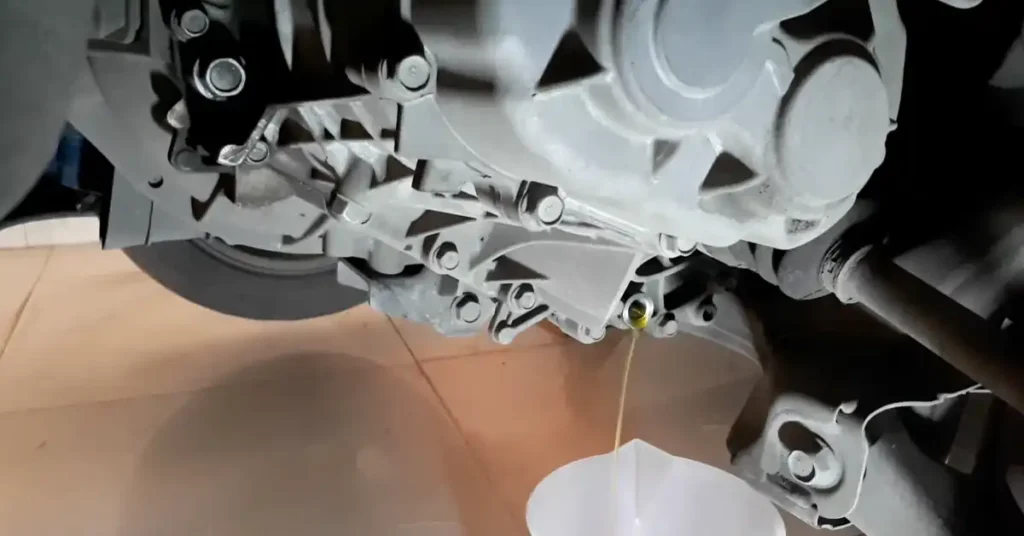
Hyundai Accent IVT fluid Change
Advantages
- Fewer moving parts
- Improved fuel efficiency
- Better torque management
Maintenance note
Despite “lifetime fill” claims, IVT fluid should be serviced every 40,000–50,000 km in hot climates.
Airbag and safety system problems
Short answer: older models had documented sensor and deployment issues.
Certain 2012–2015 Accents experienced:
- Airbag warning lights
- Clock spring failures
- Sensor communication faults
These issues are documented by official safety recalls and technical service bulletins.
Buyer check
Always verify VIN recall status before purchase.
Electrical problems owners report long-term
Short answer: voltage instability causes most random electrical behavior.
Common symptoms
- Flickering dashboard or tachometer dropouts
- Infotainment resets
- Key fob and door lock inconsistencies
Root causes
- Weak battery or aging alternator
- Poor grounding points
- Corroded connectors
- Rodent-damaged wiring insulation
Forum pattern
Many sensors are replaced unnecessarily. The actual fault is often voltage drop or ground resistance.
Cooling system and overheating complaints
Short answer: cooling issues appear earlier in hot climates.
Common failures
- Cooling fan relay or motor failure
- Thermostat sticking
- Temperature sensor misreads delaying fan activation
These issues are more common with daily driving in high ambient heat.
AC system durability and failures
Short answer: AC systems reveal weaknesses faster in hot regions.
Owner complaints
- Weak cooling at idle
- Compressor short-cycling
- Musty smell from vents
Technical causes
- Refrigerant leaks at O-rings
- Condenser damage from debris
- Blocked evaporator drain
Key insight
Compressors usually fail only after prolonged low-gas operation. Early leak detection prevents major failure.
Additional problems reported by owners (Forums, Quora, Reddit)
Fuel pump and fuel pressure issues (2011–2019)
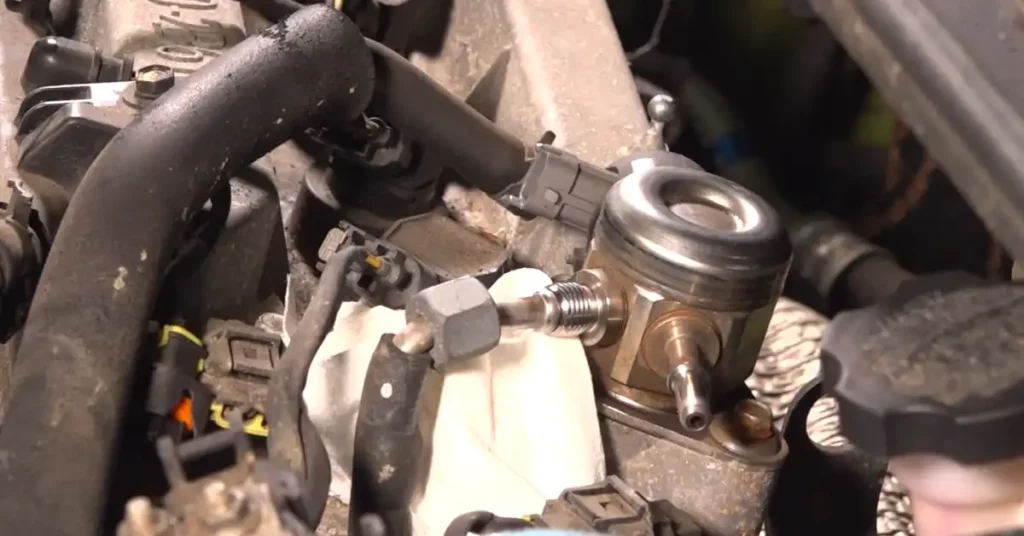
Hyundai Accent high-pressure fuel pump (HPFP)
Short answer: fuel delivery faults mimic ignition or transmission problems.
Symptoms
- Hard starting
- Power loss under load
- Hesitation uphill
- Stalling at low fuel levels
Technical cause
- In-tank fuel pump wear
- Overheating pump relay
- Restricted fuel strainer
Correct fix
- Measure fuel pressure under load
- Replace pump if pressure drops below spec
- Replace relay and clean contacts
Steering noise and EPS torque sensor drift
Short answer: stiffness or clicking is usually sensor or voltage related.
Causes
- EPS torque sensor drift from heat
- Intermediate shaft wear
- Battery voltage drop under steering load
Fix
- EPS calibration before parts replacement
- Battery and ground testing
- Replace shaft only if mechanical play exists
Engine stalls when warm with no fault codes
Short answer: heat-soaked sensors fail silently.
Cause
- Crankshaft or camshaft sensor signal dropout when hot
Fix
- Monitor live RPM during stall
- Heat-test sensors
- Repair heat-damaged wiring
Brake vibration and premature wear
Short answer: heat distortion causes most complaints.
Causes
- Rotor thickness variation
- Sticking caliper slides
- Low-quality pads overheating
Fix
- Measure rotor runout
- Service caliper hardware
- Use heat-rated pads
Interior electrical failures
Short answer: switches fail more often than motors.
Fix
- Test switch resistance
- Inspect door harness flex points
- Replace switches before motors
Technical Check: OBD-II fault codes that actually matter
Short answer: codes identify systems, not automatic part replacement.
| Issue | Code | Diagnostic Direction |
| TPS fault | P0121, P0122 | Clean throttle, verify reference voltage |
| Engine misfire | P0300–P0304 | Plugs, coils, injector balance |
| Crank sensor | P0335 | Heat-test sensor and wiring |
| Lean condition | P0171 | Fuel pressure, intake leaks |
| Transmission | P0700 | Fluid condition, TCM scan |
| EPS fault | C1513, C1521 | Battery test, EPS calibration |
| Cooling fan | P0480 | Relay and fan current test |
| Airbag / SRS | B1346 | Clock spring and wiring |
Technician note
Ignoring freeze-frame data hides heat-related failures that always return.
Safest Hyundai Accent years to buy
Short answer: post-2018 models show the lowest failure density.
| Category | Model Years | Reason |
| Safest | 2018–2023 | Improved safety and IVT tuning |
| Acceptable | 2016–2017 | Basic drivetrain, fewer recalls |
| Use caution | 2012–2015 | Airbag and sensor issues |
| Avoid if possible | 2004–2006 | Automatic transmission failures |
What owners say after 5–10 years
Short answer: the Accent fails slowly and gives warnings.
Common sentiment across forums:
“The car never stranded me. It just asked for care.”
UAE service schedule vs factory guidance
Short answer: heat shortens every interval.
| System | Factory | UAE Recommendation |
| Engine oil | 10,000 km | 5,000–7,000 km |
| Transmission fluid | Lifetime | 40,000–50,000 km |
| Battery test | Not listed | Every 12 months |
| Cooling system | Visual | Annual pressure test |
| AC system | On failure | Annual performance test |
Final verdict
Short answer: the Hyundai Accent is dependable when chosen wisely.
Later-model Accents reward owners who respect maintenance intervals and respond early to warning signs. Its failures are predictable, affordable, and manageable with informed ownership.
MotorHub UAE: Keeping the Accent reliable in desert conditions
Short answer: heat changes everything.
In the UAE, extreme temperatures accelerate oil breakdown, battery aging, cooling wear, and AC stress. Electrical resistance rises and rubber seals harden faster. MotorHub UAE connects Accent owners with workshops experienced in heat-related diagnostics, AC performance testing, and climate-adjusted service planning.
Quick FAQs from owners
Is oil consumption normal?
Some use is normal. Frequent top-ups signal overdue servicing.
Are newer Accents reliable long-term?
Yes. Post-2018 models show fewer drivetrain and safety issues.
Is IVT better than older automatics?
Yes, if fluid is serviced early.
Do electrical issues mean ECU failure?
Rarely. Voltage and grounding problems are far more common.
Is the Accent good for city driving?
Yes. Its simplicity and light weight suit daily urban use.