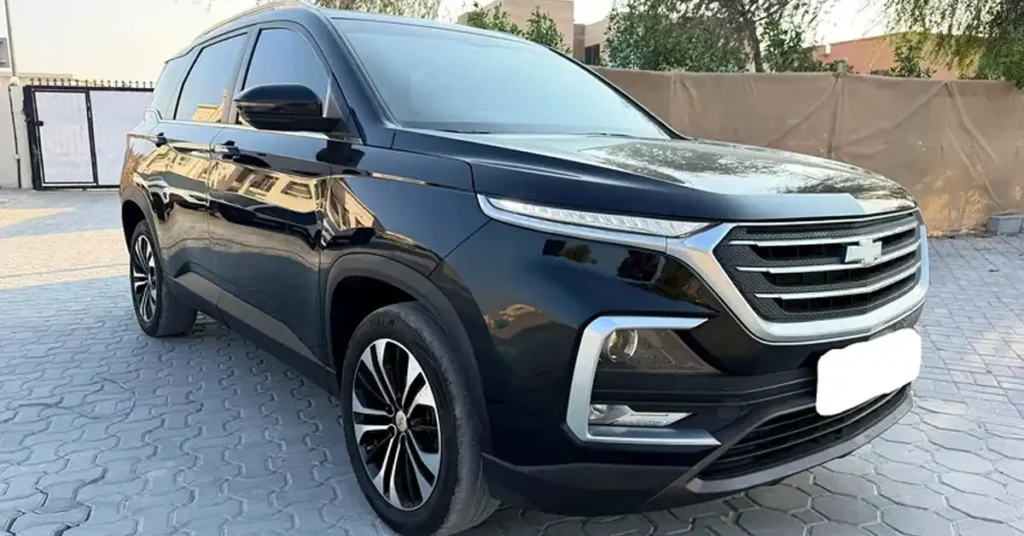
Most people look at a used Chevrolet Captiva because it seems like a friendly and affordable family SUV. It sits high, feels roomy, and often appears in classifieds at prices that look almost too good to be true. Many buyers discover later that the Captiva can be a mixed experience. Some years last for hundreds of thousands of kilometres without major complaints. Others develop problems that can drain your savings much faster than expected. This guide walks you through the Captiva years’ worth avoiding, the issues you should watch for, and the versions that still offer good value without nasty surprises.
Why the Captiva Still Attracts Buyers
Plenty of drivers still consider the Captiva because it offers a lot of space for the money. It also arrived at a time when families wanted SUVs that felt tough but did not cost as much as a Toyota or a Nissan. Many owners like the high driving position and the seven seat layout. Others simply appreciate how cheap used models look today. Reliability stories differ wildly depending on the year, which is why this guide covers the best and worst years, the typical problems, and the smart maintenance habits that help these SUVs last longer.
Key points covered in this guide include:
- Why some Captiva years fail more often than others.
- The most common engine and gearbox faults.
- The best years to buy and the worst years to avoid.
- Maintenance tasks that make a big difference.
- A comparison with rivals such as the RAV4, X Trail, Santa Fe, and Sorento.
Why Certain Captiva Years Are More Problematic
The Captiva went through several updates across its life, and each phase came with different strengths and weaknesses. The earliest years suffered from electrical faults because the assembly quality had not settled. The 2012 model became infamous because it combined transmission problems, engine oil consumption, and ignition faults. Diesel models reacted poorly to short journeys, which caused DPF blockages and EGR issues. Petrol V6 versions had timing chain troubles when owners failed to keep up with strict oil change schedules. Driving habits, maintenance history, and climate also influence reliability more than most buyers realise.
The Worst Chevrolet Captiva Years
2012. The Infamous Money Pit
The 2012 Captiva is the year most mechanics warn potential buyers about. Transmission failures often appear near 120,000 kilometres. The repair is expensive because many gearboxes need full rebuilds or complete replacement. Excessive oil consumption is another common failure. The issue usually comes from worn piston rings that allow oil to burn without visible smoke. Owners also report keys getting stuck in the ignition because the shifter lock mechanism fails. These issues appear often enough that many buyers simply avoid the 2012 Captiva altogether.
Problem solution for 2012:
- Inspect transmission fluid condition.
- Check for oil consumption during a long test drive.
- Check ignition lock movement.
- Reject the vehicle if service history is incomplete.
2007 and 2008. Electrical Gremlins Everywhere
The first production years had widespread electrical problems. Power windows stopped working without warning. Dashboard sensors threw random alerts. Wiring harnesses corroded in places where moisture entered through weak seals. Early ECUs were also sensitive to voltage drops. These issues created an unpredictable ownership experience. Many of these faults reappeared after repairs because the original wiring quality was the root of the problem.
The 2009 to 2011 Captiva models, especially the V6 petrol versions, are known for timing chain stretch. The chain depends on perfect lubrication. Poor oil quality or extended oil change intervals cause the tensioners to fail. Once the chain stretches, the engine develops misfires, slow starting, and in some cases, major internal damage. Steering and brake complaints also appear in these years. The issues include weak brake boosters and power steering fluid leaks. These problems do not affect every car, but they are common enough for buyers to proceed carefully.
Preventive checklist for these years:
- Oil changes every 10,000 kilometres.
- Listen for cold start rattles.
- Test brakes for consistent feel.
- Inspect steering hoses and reservoir levels.
The Best Chevrolet Captiva Years
The Captiva improved near the end of its production life. The 2015 model year received updated engine software, better emission components, and improved wiring seals. Models from 2016 to 2018 earned better reliability ratings from owner surveys and independent workshops. These later versions also received updated interior materials and improved build quality. If you want a Captiva with fewer headaches, the 2015 to 2018 models usually offer the best balance of cost, performance, and reliability
Captiva Common Problems Explained Simply
Clutch and Flywheel Wear
Diesel Captivas used in cities often wear out the clutch and flywheel faster than expected. The symptoms include vibration during acceleration, difficulty selecting gears, and a burning smell. The best repair approach is to replace both the clutch and flywheel at the same time. This saves labour costs in the long run.
Timing Chain Stretch
Both the 2.0 and 2.2 diesel engines can develop timing chain problems if owners ignore oil change intervals. Poor lubrication weakens the chain tensioner. Drivers usually hear a rattle at start up. Early repair prevents engine failure.
Turbocharger Failure
Turbo issues are common when the oil feed pipe becomes blocked. Once the bearings wear, the turbo whistles or loses power. Replacing the turbo without cleaning the oil feed is a mistake because the problem returns later.
DPF Blockages
Short journeys never allow diesel Captivas to reach the temperature needed for regeneration. The DPF fills with soot and triggers limp mode. A forced regeneration or chemical clean solves the problem. Regular highway drives help prevent blockages.
EGR Valve Issues
Carbon builds up in the EGR valve and causes rough idling and black smoke. Cleaning helps for a while but replacement is often more reliable.
Electrical and Sensor Problems
Older Captivas suffer from wiring corrosion, crankshaft sensor failures, and air mass sensor issues. Moisture in connectors is the main cause. Diagnosis with proper fault codes is essential.
Air Conditioning Failure
Weak cooling often comes from a leaking condenser. Compressors also fail on high mileage cars. A yearly AC check prevents expensive repairs because it catches leaks early.
Recommended Services and Preventive Maintenance
A few simple maintenance habits prevent most of the Captiva’s common problems:
- Oil changes every 10,000 kilometres with quality oil.
- Gearbox oil changes every 40,000 kilometres.
- DPF cleaning every 30,000 to 40,000 kilometres.
- Cooling system flushes every two years.
- Turbo feed line inspection at every major service.
- AC system pressure tests every year.
Best Alternatives to the Captiva
Buyers often compare the Captiva with other used SUVs. The Nissan X Trail offers better reliability but has CVT issues. The Toyota RAV4 is the most dependable option, although prices are high. The Hyundai Santa Fe and Kia Sorento deliver stronger build quality and better long-term durability. These models cost more but often save money through fewer repairs.
Recommended Captiva Models to Buy
If you want a Captiva that delivers better reliability, focus on:
- 2015 Captiva 2.4 petrol.
- 2016 diesel with full-service history.
- 2017 and 2018 facelift models.
These versions benefit from improved engines, better electronics, and more durable components.
Summary
The Chevrolet Captiva can be a sensible choice if you select the right model years and maintain it properly. The worst years are worth avoiding because they suffer from expensive faults. The later years offer a more refined drive with fewer issues. A well serviced Captiva can still deliver solid family transport without breaking the bank.
FAQs
Is the Captiva expensive to maintain
Maintenance is not cheap because parts cost more than expected, but regular servicing prevents major failures.
Why do some Captiva engines consume more oil
Worn piston rings and blocked PCV systems cause oil burning, especially in 2012 and 2014 models.
Is the 2.4 petrol more reliable than the diesel
The 2.4 petrol is simpler and avoids DPF issues. Diesel versions need careful maintenance.
What mileage is too high for a Captiva
Anything above 180,000 kilometres requires a careful inspection of the engine, gearbox, DPF, and timing chain.
Should I avoid the Captiva for long term ownership
Avoid the worst years, but the newer models are fine if serviced correctly.
MotorHub UAE. Your Chevrolet Repair and Diagnostics Experts
If you own a Captiva in the UAE or plan to buy one, MotorHub offers full inspections, clutch repairs, transmission servicing, DPF cleaning, AC repair, engine diagnostics, preventive maintenance, and long distance reliability checks. Our team helps you keep your Captiva running smoothly on UAE roads with honest advice and expert support.